For many in their 60s and 70s, this stage of life feels less like the end of the road and more like the beginning of a new chapter. Across Europe and the US, the generation reaching 60 today is healthier, more educated, and more active than any before it. However, outdated myths about ageing persist, such as slowing down and fading into the background. In reality, millions of older adults are proving these misconceptions wrong, showing that with the right mindset, age really is just a number.
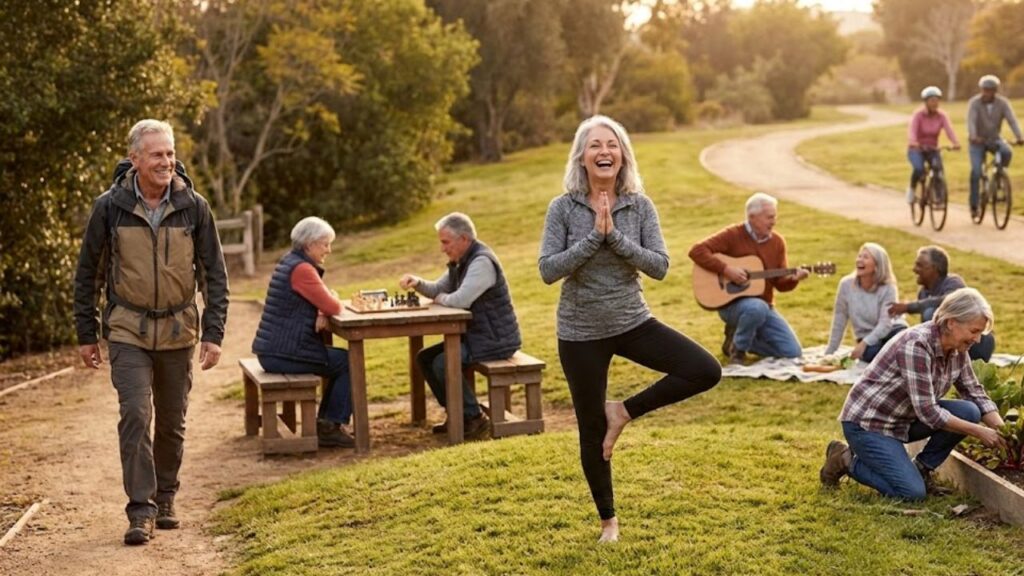
Signs of Healthy Ageing: The 7 Key Markers
Ageing may alter the body, but the gap between chronological age and real-life ability has never been wider. Today, experts talk less about “adding years” and more about “adding healthy years”. What matters is not how long you live, but how long you remain mobile, independent, curious, and connected. If you’re still doing these seven things in your 60s or 70s, you’re not just getting older — you’re living life right.
1. Staying Physically Active
Maintaining physical activity is one of the clearest signs of healthy ageing. You don’t need to spend hours in the gym or run marathons. Brisk walks, gardening, swimming, dancing, tai chi, or simply chasing grandchildren are all excellent ways to stay active. Regular movement helps reduce the risk of heart disease, diabetes, some cancers, and depression, while keeping your balance and strength intact. Public health agencies across the world agree: even light activity, like walking, is far better than sitting all day.
2. Lifelong Learning
Learning isn’t reserved for the young. The brain remains adaptable well into later life. Late-life learners are picking up new skills like languages, musical instruments, photography, or even mastering online tools. Research shows that older adults who keep learning show improved thinking skills and higher confidence. Curiosity is a sign of mental vitality, and the brain benefits from reading, trying new recipes, or tackling new hobbies, even if they are informal.
3. Keeping Strong Social Connections
Loneliness in later life can be as harmful as smoking to your health. Conversely, strong, dependable relationships serve as a protective shield, improving both longevity and life satisfaction. The famous Harvard Study of Adult Development consistently shows that those with solid, supportive relationships live longer and report higher happiness, regardless of their income. If you have people to call when you need them, you have a valuable asset that many younger people quietly envy.
4. Financial Independence
Being financially independent in your 60s or 70s doesn’t always mean luxury, but it does mean not needing to rely on others for basic needs. Managing finances wisely, avoiding excessive debt, and saving for emergencies are key to maintaining peace of mind and reducing stress. A modest but stable financial foundation supports greater freedom to enjoy life and socialize without constantly worrying about money.
| Type of connection | Example at 60–70 |
|---|---|
| Close circle | One to three people you trust fully |
| Regular contacts | Neighbours, siblings, former colleagues you see or call |
| Community links | Clubs, volunteering, faith groups, hobby groups |
5. Embracing Self-Acceptance
While ageing brings physical changes like wrinkles and slower reflexes, it also often brings a sense of self-acceptance that many spend decades seeking. Studies have shown that self-esteem tends to rise through midlife and remains stable in older years. Many older adults care less about external judgment and more about living meaningful days. Recognizing that your body has served you well for decades and respecting it can contribute to a higher sense of satisfaction and well-being.
6. Setting and Achieving Goals
Setting goals doesn’t stop at 60. While the nature of those goals may shift, they remain essential for motivation and mental health. Whether it’s walking 5,000 steps a day, finishing unread books, visiting a friend, or supporting a charity, goals give life direction and purpose. Studies show that older adults who set clear personal goals experience less cognitive decline and enjoy more positive emotions. The importance lies not in the size of the goal, but in having one.
7. Cultivating Happiness
Happiness in later life tends to be more about contentment than excitement. It manifests in quiet moments — a good cup of tea, laughter with friends, a walk in pleasant weather, or a pain-free day. Research suggests that many people report higher happiness after 60, despite health issues. Emotional regulation and a clearer sense of priorities play a key role in this shift. If you can look around at 60 or 70 and feel happy with where you are, you’re likely doing better than many ever will.
How These Signs Work Together in Real Life
Imagine two 68-year-olds. One has a great pension but spends most of his time alone, sitting, with little social interaction. The other, with a modest income, walks to the market, volunteers twice a week, stays in touch with friends, and is learning Italian for a trip. Measured by money, the first may seem better off, but when you consider health, emotional balance, and life satisfaction, the second likely leads a far richer life.
Practical Ways to Strengthen These Seven Areas
Even if you’re starting late, progress is possible. To improve your physical activity, add just five minutes of walking every hour and try balance exercises. To stimulate your mind, start a small learning project with clear results. If loneliness is a concern, aim for one more social interaction each week. For those on a tight budget, seek free advice on budgeting and benefits. Remember, consistency is key, and small changes can lead to big improvements.
Understanding “Successful Ageing” and “Compression of Morbidity”
Successful ageing refers to staying relatively healthy, independent, and engaged as you age. These seven signs align closely with this concept. Another term you may encounter is “compression of morbidity,” which refers to living a long life but condensing serious illness and disability into a shorter period at the very end. Staying active, socially connected, and mentally engaged in your 60s or 70s is closely tied to this healthy pattern of ageing.