Gray hair is no longer viewed only as a marker of ageing. For many people across the UK, it has become a deliberate and meaningful style decision. Some confidently embrace silver strands, while others choose colour to bring warmth back to their look. Factors such as lifestyle, profession, skin tone, and social perceptions all influence this choice. While natural gray reflects authenticity for some, dyed hair offers a more refined finish for others. Knowing when gray hair enhances your appearance and when colouring feels right helps you choose what genuinely suits you.
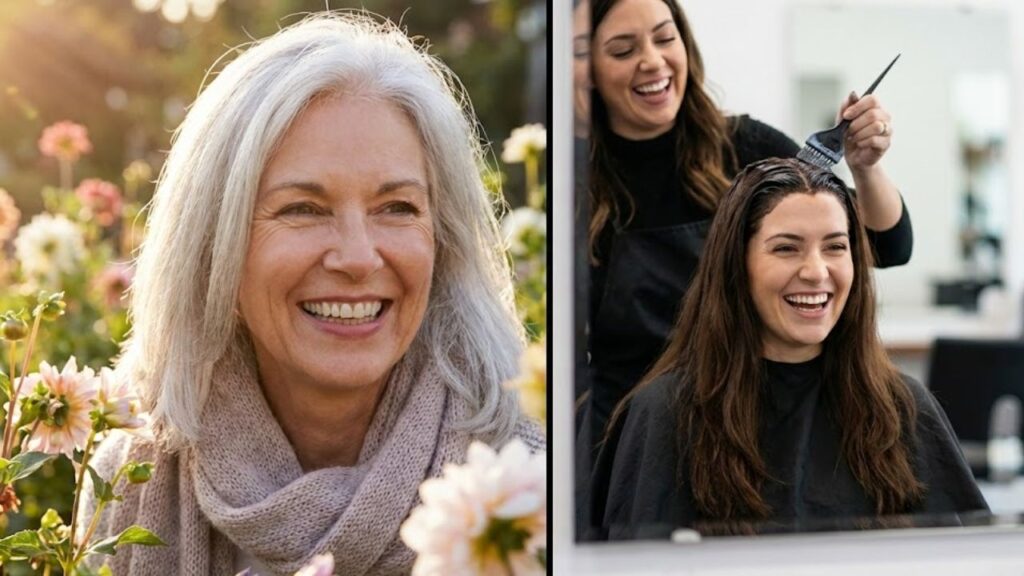
Understanding Your Options With Gray Hair
When Natural Gray Hair Looks Its Best
Gray hair often appears most attractive when it looks intentional rather than neglected. Well-cared-for silver tones can enhance facial features and project modern confidence and elegance. With regular trims, proper hydration, and suitable shampoos, gray hair can become a true asset. Many people find that embracing gray supports a natural confidence boost and expresses an authentic personal identity. It also simplifies daily routines, offering low-maintenance beauty and reducing reliance on chemicals. In the UK, where subtle elegance is widely appreciated, gray hair can represent maturity, poise, and quiet self-assurance. When hair remains healthy and evenly toned, gray defines character rather than age.
When Coloring Gray Hair Feels Right
Choosing to dye gray hair can make sense when natural tones appear uneven or leave you looking more fatigued than you feel. Patchy grays or bright white roots may contrast sharply with your complexion, leading some to prefer a softer, more balanced look through colour. Dyeing can restore visual youthfulness and create an even tone that feels polished. For those in public-facing professions, hair colour can support professional image consistency and boost everyday confidence. Modern colouring techniques focus on subtle blending rather than harsh coverage, helping hair appear natural instead of artificial.

Blending Gray and Colour for Balance
Many people find their ideal solution lies between fully gray and fully dyed hair. Options such as highlights, lowlights, or gloss treatments can soften gray tones while preserving their character. This balanced approach provides flexible styling and supports a more comfortable transition as hair naturally changes. It also promotes healthier hair habits, as mixed tones require thoughtful care rather than constant colouring. In the UK, this method aligns well with modern beauty values that celebrate individuality. Choosing balance allows your hair to evolve naturally alongside you.

A Practical Way to Think About Gray Hair
Deciding how to manage gray hair is less about following rules and more about understanding how you see yourself. Hair should reflect how you want to feel, whether that is bold, refined, or quietly natural. At times, embracing gray can represent a journey of personal acceptance; at other moments, adding colour can feel like a refreshing reset. What matters most is intentional choice. When your hair aligns with your lifestyle and sense of identity, it creates emotional harmony and lasting satisfaction. Instead of focusing on expectations, the more meaningful question is what makes you feel confident and comfortable today.

Gray Hair Options at a Glance
- Natural Gray: Best suited for even silver tones, requires low maintenance, and creates an authentic, elegant effect.
- Full Dye: Ideal for strong gray coverage, involves high maintenance, and delivers a youthful, uniform appearance.
- Highlights: Helps blend grays, needs medium maintenance, and results in a soft, modern look.
- Gloss Treatment: Refreshes dull gray hair, requires low maintenance, and leaves hair shiny and revitalised.