Psychologists believe that when adults display disrespect towards their parents, such as rolling their eyes, cutting off contact, or speaking harshly, it’s rarely a spontaneous behavior. Instead, it is often rooted in unresolved childhood experiences that have gradually influenced the parent-child relationship over time. Understanding this hidden logic behind “disrespectful” children involves recognizing the long-term effects of feeling unsafe, unheard, or emotionally abandoned during their formative years. This lack of emotional security can lead to difficulties in showing respect to parents, not due to inherent cruelty but because the foundation for respect was never properly established.
How Inconsistent Parenting Shapes Children’s Behavior
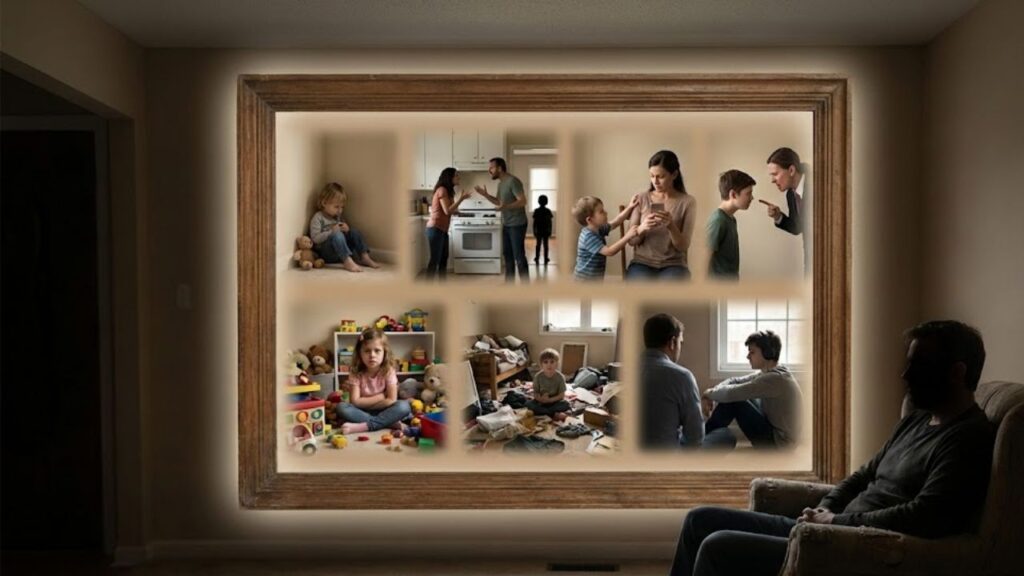
One major factor contributing to strained relationships between children and their parents is inconsistent parenting. Many adults recall their childhoods where the rules seemed to change unpredictably. One moment, certain actions were acceptable, and the next, they triggered harsh consequences. This constant shifting of expectations creates a sense of instability and unpredictability. In this environment, children learn that authority figures cannot be trusted, and respect becomes entangled with fear and resentment. The absence of consistent rules leads to a breakdown in trust, making it harder for children to show respect as they grow older.
The Impact of Emotional Invalidations on Family Dynamics
Another significant pattern that affects how children relate to their parents is emotional invalidation. This occurs when a child’s feelings are minimized, mocked, or ignored by their parents. Common phrases like “You’re too sensitive” or “Stop making a fuss” dismiss the child’s emotional experiences, teaching them that their inner world doesn’t matter. Over time, this leads children to distrust their own emotions, stop confiding in their parents, and develop a defensive attitude, such as sarcasm or hostility. As adults, this often results in a lack of genuine respect towards parents, as the child never felt truly heard or taken seriously.
How These Early Experiences Shape Adult Relationships
These early patterns—such as inconsistent parenting, emotional invalidation, and harsh criticism—often build upon each other, reinforcing negative emotional responses towards parents as children grow. A child who experiences emotional neglect or harsh verbal attacks may struggle with feelings of resentment and low self-worth. These unresolved emotions can manifest as disrespect in adulthood. When parents are unaware of the lasting impact of these behaviors, they might misinterpret their child’s actions as ingratitude or a bad attitude, failing to see the deeper emotional scars that affect their relationship.
| Childhood Pattern | Common Adult Feeling Towards Parents |
|---|---|
| Inconsistent Rules | Distrust, Impatience |
| Emotional Invalidation | Feeling Unseen, Cold Distance |
| Lack of Affirmation | Resentment, Feeling Undervalued |
| Harsh Criticism | Anger, Defensive Disrespect |
| No Quality Time | Indifference, Awkwardness |
| Overprotection | Frustration, Sense of Control |