
The moment you step into the shower may feel like a purely practical choice. Yet psychologists and sleep researchers suggest this small daily habit quietly reflects how you manage energy, emotions, and stress.
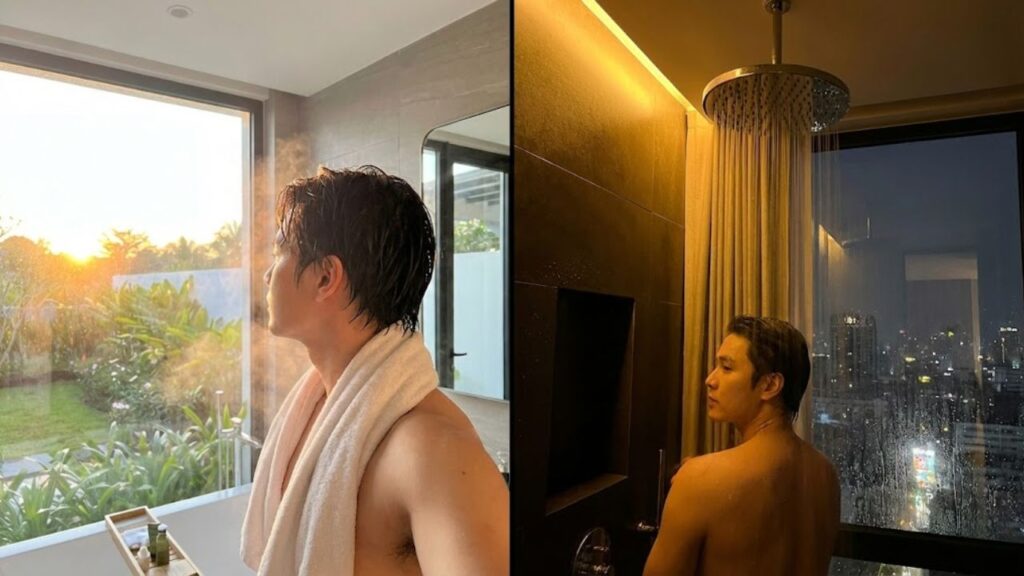
Why Shower Timing Is Rarely Neutral
Ask someone whether they shower in the morning or at night, and you rarely get a casual answer. Most people strongly defend their routine, much like a favourite coffee order.
That instinctive preference is not accidental. It often aligns with how you handle transitions, how you respond to pressure, and whether you naturally speed up or slow down when life becomes demanding.

Morning shower people often look for momentum. Evening shower people tend to look for closure.

Once basic hygiene is covered, the timing becomes less about cleanliness and more about psychology and rhythm.
The Psychology of Evening Showers
For those who prefer showering at night, the warm water marks a clear boundary between being “out in the world” and being back to themselves. Clothes hit the laundry basket, messages stop, and the mind begins to release the day.
These individuals often value rituals that close the loop. The shower works as both a physical and mental cleanse, washing away sweat, urban grime, and the mental residue of work, family, or commuting.
A Need for Decompression and Inner Quiet
People drawn to evening showers often share familiar patterns:
- They prioritise winding down and reflection
- They dislike carrying the day’s stress into bed
- They are sensitive to emotional overload and seek ways to reset
- They value calm, private spaces where they can be briefly unreachable
For them, the bathroom becomes a small personal sanctuary. Running water masks outside noise, screens stay away, and the brain receives a clear signal that the active part of the day is ending.
The evening shower works like a personal off switch, closing open tabs in the mind as well as on the skin.
Sleep Science and the Warm Shower Effect
Sleep specialists highlight an added benefit of night-time showers. A warm shower taken one to two hours before bed can help prepare the body for rest.
Stepping from warm water into a cooler room causes a slight drop in body temperature. That subtle shift supports the body’s natural sleep–wake rhythm. Research linked to Harvard-affiliated sleep scientists associates this pattern with falling asleep faster and experiencing slightly deeper rest.
This aligns closely with the typical evening-shower personality: thoughtful, detail-aware, and attentive to inner balance. Rather than collapsing into bed, they prefer a structured landing process.
The Morning Shower Mindset
At the other end are people who cannot imagine starting the day without a shower. Skipping it feels as disruptive as skipping coffee or brushing teeth.
For them, the morning shower acts as a starting signal. Once the water hits, the shift from sleepy to alert begins. It is less about yesterday and more about preparing for what lies ahead.
Fresh Starts and Forward Motion
Morning shower loyalists often share a different outlook:
- They thrive on fresh starts
- They think in goals, plans, and schedules
- They see the shower as part of their activation routine
- They feel confident only after completing their full morning sequence
The bathroom becomes a backstage space before the day’s performance. The shower, mirror check, and sometimes music or a podcast combine to create readiness.

For morning shower people, water works like a reset button that pushes them into action mode. Clean skin, fresh clothes, and a clear head belong together.
Cold, Warm, or Somewhere Between
How the shower is used can reveal even more. Some prefer a short burst of cold water to trigger alertness, while others rely on warmth to wake gently.
- Quick, cool rinse: Immediate energy and alertness, often linked to action-oriented personalities
- Long, warm shower: Gentle awakening and comfort, common among reflective individuals
- Alternating hot and cold: A sense of stimulation and reset, often enjoyed by experimenters
No “Correct” Time, Only Personal Rhythm
Dermatologists generally agree that shower timing should adapt to lifestyle and skin needs. Late workouts, heavy commuting, or urban pollution may favour evenings, while early starts or shared bathrooms may make mornings practical.
Psychologically, both groups solve the same problem: how to manage daily stress and transitions. Evening shower people close the day. Morning shower people open it with intention.
Your preference is not a judgement. It simply reflects how you organise your energy.
Many people combine both. An evening wash for comfort followed by a quick morning rinse is common among those who value both cleanliness and ritual structure, using water as a core stress-management tool.
When Routine and Needs Don’t Match
Some schedules clash with natural preferences. Night-shift workers, new parents, and long-distance commuters often shower when possible rather than ideal.
If that sounds familiar, small adjustments can help:
- Shift shower timing slightly closer to sleep to support rest
- Add a short warm-water ritual before bed, such as washing hands or face
- Use energising scents like citrus in the morning and calming notes like lavender at night
These tweaks can bring your routine closer to your inner rhythm.
Key Concepts and Everyday Examples
Two scientific ideas often appear in this discussion. The first is the circadian rhythm, the internal clock guiding sleep and wake cycles. Evening showers, especially warm ones, often support the body’s natural temperature drop before sleep.
The second is sleep onset latency, meaning how long it takes to fall asleep after lights go out. For some, a well-timed shower shortens this window. For others, very hot or very late showers can delay rest.
Consider a stressed office worker finishing late emails. A brief warm shower in the evening may serve as a clear mental reset. For a nurse ending a night shift, a morning shower before sleep plays the same role, just on a different clock.
Context matters. Intense late exercise followed by a very hot shower can keep the body overheated. In such cases, a lukewarm rinse taken earlier may support recovery without disrupting sleep.

Whether you prefer to wash off the day or gear up to begin it, your shower is shaping how each chapter starts and ends, one simple rinse at a time.
 When kindness becomes isolating: 7 reasons why kind women have fewer friends as they get older
