On some evenings, washing your hair can feel like just another task instead of a moment to unwind. However, when you slow down and approach it as a simple ritual, the experience can change completely. With regular care, hair often appears smoother, shinier, and slightly fuller without the need for costly salon treatments. This Japanese-inspired Head Spa routine focuses on caring for the scalp as much as the hair itself. When practiced consistently, the effects become increasingly noticeable, both in how your hair looks and how relaxed you feel afterward.
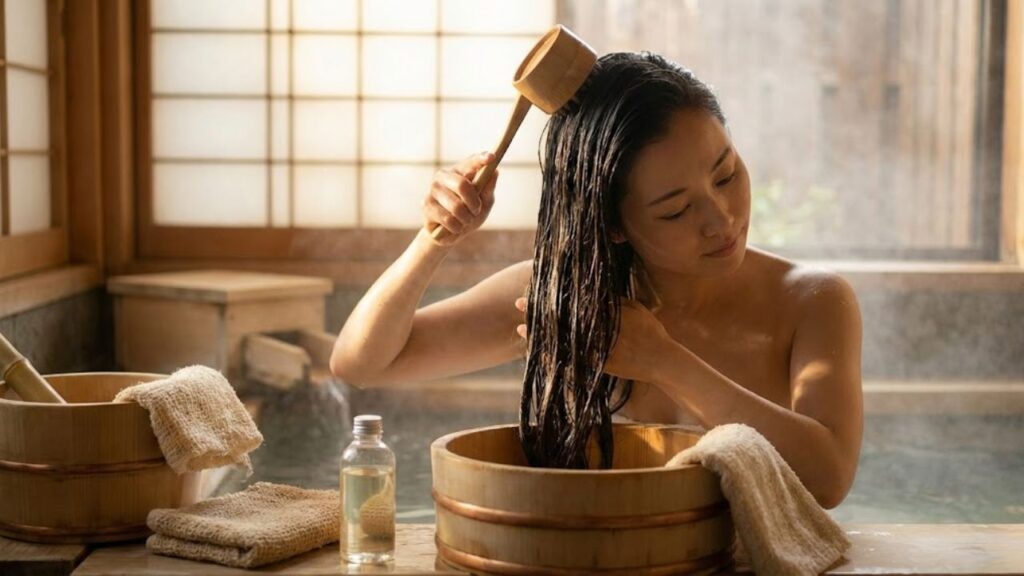
Understanding the Japanese-Inspired Head Spa Approach
The idea behind a Head Spa is simple yet effective: give your scalp the same attention as your hair. Instead of rushing through shampoo and rinse, this method combines gentle massage, mindful cleansing, and careful drying. The aim goes beyond cleanliness. It is designed to calm the scalp, reduce tension, and support natural shine. A complete at-home routine usually includes a scalp massage before washing, an optional light oil application, focused shampooing, and gentle drying techniques that protect hair from unnecessary stress.
How Often Should You Wash Your Hair?
Before learning the technique itself, it is important to rethink how frequently you wash your hair. Washing too often can remove natural oils and leave hair dry, while infrequent washing may cause buildup that makes hair appear flat or greasy. The ideal routine depends on your scalp type, hair texture, and daily habits. Many people find that washing between once and three times a week provides the right balance, helping hair stay clean without losing its natural moisture.

General Washing Rhythm Based on Hair Type
Those with normal or wavy hair often do best washing once or twice weekly, unless heavy exercise or styling products are involved. Oily scalps may require washing up to three times per week, with shampoo applied mainly to the scalp. Dry or curly hair typically needs washing only once a week or even less. Dermatologists explain that straight hair spreads scalp oils more easily, while curly and coily textures hold moisture closer to the scalp, reducing the need for frequent washing.
 Goodbye Hair Dye for Grey Hair: The Conditioner Mix That Restores Natural Colour Gradually
Step 1: Scalp Massage Before Shampooing
The Japanese Head Spa routine begins with a dry scalp massage before water or shampoo is applied. Using your fingertips or a soft silicone brush, start at the base of the neck and move upward with small circular motions. Research on daily scalp massage performed for several minutes over months has shown a slight increase in hair thickness, likely due to improved blood circulation and gentle scalp stimulation. This step also helps loosen buildup and creates a deep sense of relaxation.
Step 2: Light Pre-Wash Oil for Added Protection
Before shampooing, apply a thin layer of oil to the scalp and hair lengths. This is not meant to be a heavy mask but a light protective step that helps prevent dryness during washing. Studies indicate that coconut oil is effective at reducing protein loss when used before and after washing. For fine hair, lighter oils such as argan, jojoba, or grapeseed oil work well without weighing hair down. Warm a few drops between your hands, massage gently into the scalp, and smooth the remainder through the mid-lengths and ends.

Step 3: Gentle Drying to Prevent Damage
Hair is most vulnerable when wet, so how you dry it matters. Instead of rubbing with a towel, gently press out excess water using a microfiber towel or a soft cotton T-shirt. Focus on squeezing rather than scrubbing. Studies comparing drying methods suggest that microfiber fabrics are gentler on hair fibers than rough towels or immediate blow-drying. Over time, this simple adjustment can significantly reduce frizz and breakage.
Step 4: Low-Heat, Controlled Blow-Drying
Blow-drying itself is not harmful when done correctly. Damage usually occurs from excessive heat, holding the dryer too close, or focusing on one area for too long. Allow hair to air-dry partially before using a dryer, then select the lowest effective heat setting. Keep the dryer moving and maintain a distance of about six inches. Direct airflow from the roots toward the ends to help smooth the hair cuticle and maintain softness.
Bonus Step: Occasional Rice-Water Rinse
An optional addition to this routine is a rice-water rinse used once every few weeks. Rice water is the cloudy liquid left after soaking or rinsing rice. After shampooing and conditioning, pour it over the hair lengths as a final step. This traditional practice can help hair feel smoother and appear shinier. Used occasionally, it offers a gentle shine boost while adding a thoughtful touch to your hair care ritual.
Long-Term Benefits of the Head Spa Routine
When scalp massage, light oiling, gentle drying, low-heat styling, and occasional rice-water rinses are combined, the result is healthier hair over time. This approach protects the scalp, reduces friction, and minimizes heat damage, allowing hair to develop its natural shine and strength. Many people notice less breakage, smoother ends, and easier styling without extra products. Inspired by Japanese Head Spa practices, this routine shows how patient, careful handling can lead to softer, shinier hair and lasting confidence.