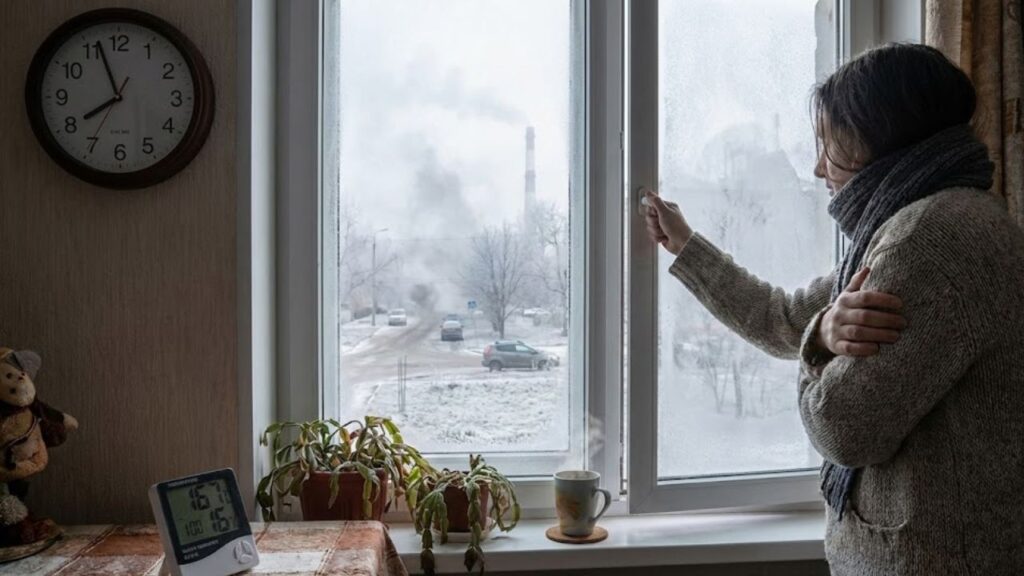
During winter, we often feel the need to ventilate our homes, but the timing is crucial. Early mornings, though crisp, can bring more than just fresh air. The cold and pollution combined with the energy being spent on heating can have hidden consequences for both your health and your heating bill. Ventilating your home is vital for keeping indoor air fresh and reducing humidity. However, choosing the wrong time of day can result in wasting energy and letting harmful pollutants inside.
The Best Times to Ventilate and Why Timing Matters
Experts recommend opening windows when the outdoor temperature is at its peak, typically between noon and 2 pm. This is when traffic levels are lower, the sun has warmed up the interior of the house, and brief airing will prevent too much heat from escaping. The goal is to get fresh air without causing a sudden drop in temperature, which forces your heating system to work harder. Timing your ventilation correctly can help reduce energy waste and increase comfort.
Pollution Peaks and Their Impact on Indoor Air Quality
Pollution levels rise sharply between 8 am and 10 am when traffic and city activity are at their highest. This is when fine particles and nitrogen dioxide fill the air. Opening your windows during this time invites harmful pollutants into your home, including soot and ultra-fine particles that can exacerbate respiratory issues. It’s crucial to avoid ventilating during this time to protect your indoor air quality, especially if you live near a busy road or urban area.
Targeted Ventilation for Rooms That Need It Most
Not all rooms need the same level of ventilation. Focus on areas where moisture and pollutants build up the fastest, such as kitchens, bathrooms, and bedrooms. For bedrooms, try to ventilate later in the morning when outdoor pollution has decreased. In kitchens, use extractor fans to clear fumes before airing out the space. This targeted approach will ensure that you maintain a healthier environment while minimizing the drawbacks of morning pollution.
How Mechanical Ventilation Systems Help Improve Air Quality
Many modern homes are equipped with mechanical ventilation systems that work continuously to improve air quality without needing to open windows. These systems help regulate humidity levels and remove indoor pollutants while maintaining indoor temperatures. If you live in an older home, be sure to check that your extractor fans are clean and unobstructed. Air quality monitors are also useful for tracking pollution levels and adjusting your ventilation accordingly.