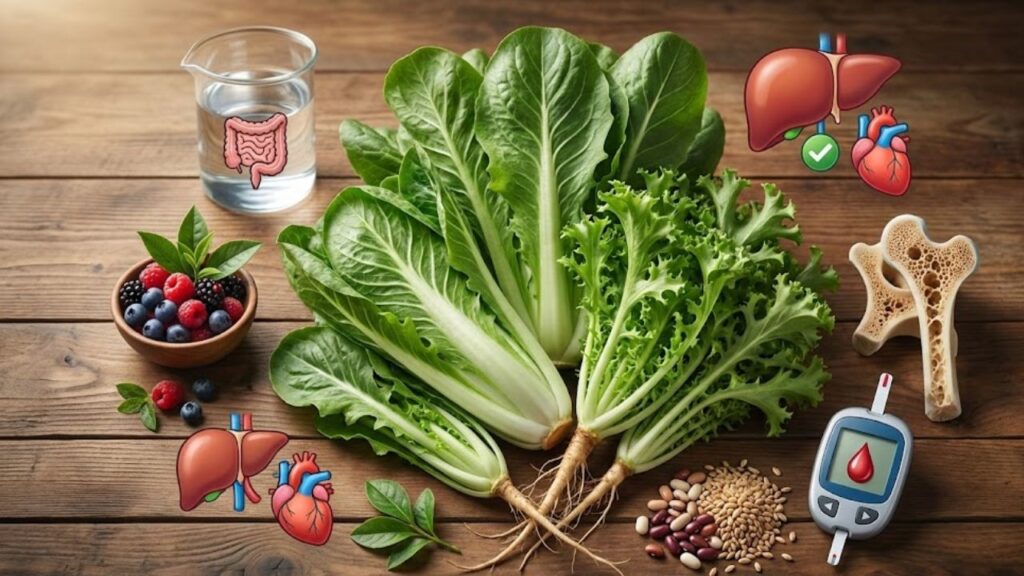
Once dismissed as a bland side dish, endive is making a comeback in kitchens across the world. This winter vegetable, known for its slightly bitter taste and crunchy texture, is gaining attention not just for its unique flavor, but also for its health benefits. Dietitians, chefs, and even budget-conscious families are rediscovering endive as a versatile and affordable addition to meals. With its impressive nutritional profile and ability to add volume to dishes without packing in excess calories, endive is proving to be a valuable ally for long-term health.
The Low-Calorie Power of Endive
Endive is a low-calorie powerhouse, making it an excellent choice for those looking to manage their weight or maintain a balanced diet. This vegetable is made up mostly of water and fiber, providing about 15-20 kcal per 100 grams—fewer calories than most fruits. The high water content helps with satiety, making it an ideal ingredient for filling up your plate without adding excessive calories. For those monitoring their blood sugar or weight, endive is a great choice. It can easily be included in salads or paired with protein and healthy fats, offering a filling, low-calorie option for any meal.
Gut Health Benefits from Endive’s Fiber
Endive is rich in inulin, a type of prebiotic fiber that nourishes the beneficial bacteria in your gut. This fiber supports digestive health by promoting a balanced microbiome, improving digestion, and helping to stabilize blood sugar levels. A diet high in prebiotics like inulin has been linked to improved bowel movements, reduced constipation, and better overall gut function. Including endive in your meals can be an easy and effective way to enhance your fiber intake and support gut health. For those new to a high-fiber diet, start slowly and drink plenty of water to prevent any digestive discomfort.
Endive’s Nutritional Value Beyond Its Color
While the pale appearance of endive may make it seem less nutritious, this vegetable packs a variety of vitamins and minerals that contribute to your overall health. Although it contains less beta-carotene than darker leafy greens, endive still provides valuable micronutrients like vitamin K, folate, and antioxidants. These nutrients play key roles in bone health, immunity, and overall vitality. By adding sliced endive to your meals, you can easily increase your intake of essential nutrients, even if you’re not a fan of large servings of traditional leafy greens.
Why the Bitter Taste Matters
The bitterness of endive isn’t just a flavor characteristic; it’s also a health benefit. Bitter compounds in endive can help stimulate digestion by promoting the production of bile, which aids in the breakdown of fats. Eating a small amount of bitter food before a meal, such as an endive salad, can prepare your body for digestion and support digestive comfort. Additionally, training your palate to appreciate bitterness can reduce cravings for overly sweet foods, leading to healthier choices in the long run. For those new to bitter flavors, combining endive with sweeter ingredients like apples, pears, or oranges can help balance the taste.
| Nutrient | Role in the body | What endive contributes |
|---|---|---|
| Vitamin B9 (folate) | Cell renewal, pregnancy, nervous system | Interesting levels for such a light vegetable |
| Potassium | Blood pressure, muscle contraction | Helps balance sodium intake from salty foods |
| Vitamin K | Blood clotting, bone health | Non-negligible amounts, especially in raw salads |
| Antioxidant compounds | Protection against oxidative stress | Small but regular contribution if eaten often |
Endive and Heart Health
Endive’s fiber content, combined with its potassium levels, makes it a valuable vegetable for supporting heart health. Potassium helps balance sodium levels in the body, which can have a positive impact on blood pressure. Diets high in processed foods tend to be too high in sodium, which is a contributing factor to hypertension. By swapping starchy sides for endive-based dishes, you can improve your sodium-potassium ratio and gently support cardiovascular health without drastic changes to your diet.
Simple Ways to Include Endive in Your Meals
Endive can be enjoyed in a variety of ways, both raw and cooked. For quick and easy meals, consider adding raw endive to salads, pairing it with walnuts and apples, or using it as a snack boat filled with hummus, tuna, or cottage cheese. These simple dishes work well for lunchboxes and provide a satisfying crunch without the need for chips or crackers. When the weather turns colder, endive also shines in warm dishes. Try braising or roasting endive with garlic and olive oil for a comforting side dish, or make a light gratin with béchamel sauce and a modest amount of cheese. These recipes complement dishes like roast chicken or lentils, helping to balance out heavier meals.