The salon was buzzing when she stepped in, holding a Pinterest screenshot of a chic silver pixie cut. At 57, she was elegant but slightly nervous—about to make a decision that could alter her reflection for years. The hairdresser, a woman in her forties, smiled and asked the usual question: “Tell me what you’re hoping for?”
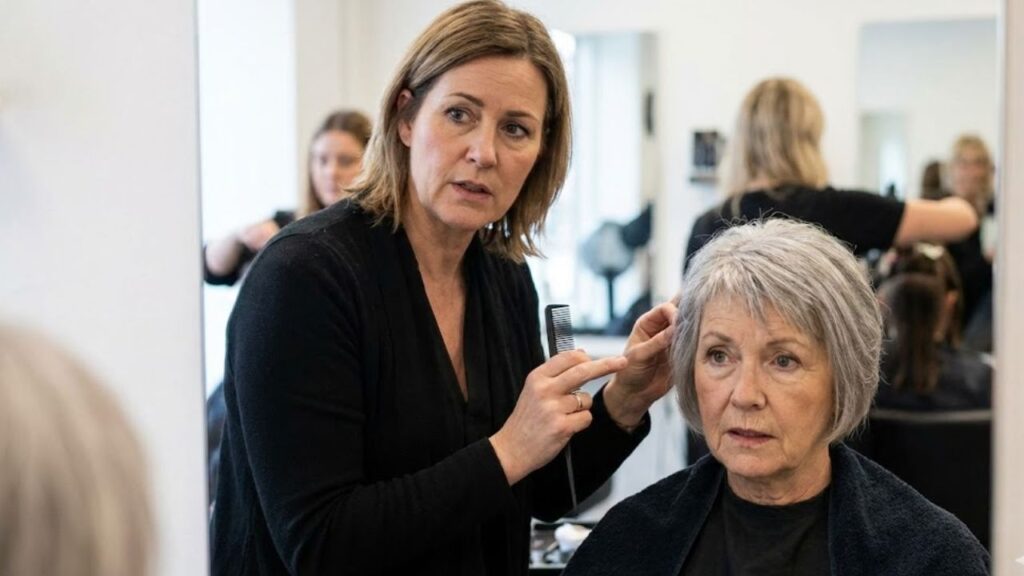
After a brief consultation, the truth came out. “Short hair won’t automatically make you look younger,” the stylist said, her voice calm but direct. The woman paused, still holding her coffee cup, the hard truth settling in. The myth of a magical short cut after 50 had just been shattered.
Debunking the Myth of Youthful Short Hair
It’s common for women over 50 to consider going short, thinking it will “lift” their faces. The belief is widespread, almost a rule: once you hit a certain age, chop it off for a fresh look. Hairdressers hear this often, some agree, some stay quiet, and a few—those who speak honestly—tell the harsh reality.
Short hair isn’t a magical youth potion. In fact, it can sometimes do the opposite, drawing attention to areas like the neck, jawline, and ears. The woman in the salon showed a photo of a celebrity in her 30s with a sharp pixie cut, hoping for a similar transformation. But the stylist, who had seen this scenario unfold many times, paused before asking: “How often are you really willing to style it?”
This question cut deeper than expected. Maintaining a short hairstyle requires dedication: frequent trims, regular styling, and a bit of effort each day. The allure of a pixie cut on a celebrity fades quickly when reality sets in—especially when there’s no time or energy to keep up with the required styling routine.
The Truth About Short Cuts and Maintenance
While a pixie may look effortless in photos, the reality is different. After a few days of natural hair growth, fine, thinning hair may appear flatter without the weight of longer strands. Short cuts, particularly on women over 50, can emphasize features—neck posture, skin texture, and ear shape—that would otherwise be softened by longer hair.
The experienced stylist understands this, examining not only hair texture but also face structure, lifestyle, and how much maintenance a client is truly willing to commit to. A pixie cut might not be practical for everyone, especially when arthritis or a busy schedule makes frequent salon visits difficult. Short hair requires upkeep, and if you’re not prepared for that, the cut can start to feel like a burden.
Choosing the Right Short Cut Without Regret
The stylist’s advice is simple but effective: start with something less extreme. If you’ve been wearing shoulder-length hair for years, don’t jump straight to a pixie cut. Instead, try a long bob or layered cut just above the shoulders. This approach gives you a fresh, lighter look without the dramatic exposure of a very short cut.
One of the biggest mistakes women make is chasing the haircut they had in their younger years, on a face that has changed. At 25, almost any cut works, but at 55 or 60, attention to how the cut flatters the neck and jawline becomes essential. A soft, angled bob that skims the collarbone can be far more flattering than a blunt cut that draws attention to sagging areas.
Harmony Between Hair and Lifestyle
The key to a successful short cut after 50 isn’t just about age—it’s about harmony. Your hair should align with your lifestyle and how you feel about your appearance. Choosing a style that you can maintain and that suits your natural features is crucial. A short cut that works for your life, not an idealized version of it, will make you feel confident and comfortable.
The truth is, haircuts after 50 are not about trying to look younger—they’re about embracing who you are right now. A pixie, bob, or layered cut can all be stunning, but only if they match your real life. The best cuts flatter your face and fit your routine, helping you look your best without extra stress.
Key Points to Consider Before Going Short
- Short hair highlights features: Exposes the neck, jawline, and hair texture, which can either flatter or highlight insecurities.
- Maintenance is critical: Short cuts require frequent trims, daily styling, and a good amount of product use.
- Start with “soft short”: A long bob or layered cut is a gentler transition to shorter styles.