Psychologists argue that the most beloved grandparents aren’t necessarily the richest or the most entertaining, but the ones whose everyday actions create a sense of safety, recognition, and love in children. Their behaviors, from how they listen to how they allow space, leave lasting emotional imprints that stay with children well into adulthood.
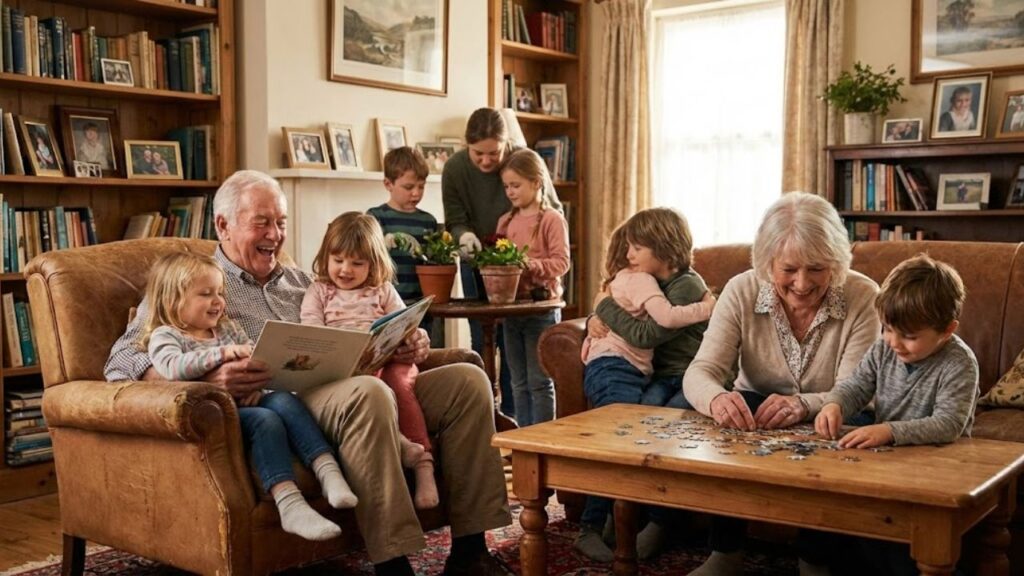
The Invisible Bond Between Grandparents and Grandchildren
Across cultures, children often describe their grandparents as a “safe space.” This safety doesn’t come from a lack of rules, but from the reduction of pressure. Researchers refer to this as “emotional security”—the assurance of having a reliable adult who supports you even on your toughest days. A grandparent’s constant presence can act as emotional scaffolding, helping children stay grounded as they navigate their identity. This connection is rooted in specific, repeatable behaviors rather than mere magic, and these behaviors create lasting memories for many years.
7 Grandparent Habits That Shape Lifelong Memories
Psychologists have identified seven key behaviors that frequently appear in the grandparents who are remembered fondly for years. These habits go beyond gifts or material things, focusing on the emotional foundation they provide. They are deeply linked to children’s development of self-worth, confidence, and their ability to navigate relationships throughout life.
1. Unconditional Love Without Overindulgence
Children can easily sense when affection is conditional. Grandparents who are cherished communicate the message: “You are loved whether you succeed or fail.” This doesn’t mean saying yes to every request or ignoring bad behavior but rather separating a child’s value from their actions. For example, they might say, “I didn’t like what you did, but I still love you.” Studies on attachment and affection indicate that consistent warmth from caregivers leads to lower anxiety, greater self-esteem, and better relationship skills. Grandparents often provide this warmth, as they are less involved in daily struggles like homework and chores. For many adults, fond memories of their grandparents are centered on the feeling of being welcomed and accepted, not on receiving gifts.
2. Active Listening That Makes Children Feel Important
Beloved grandparents often make it a point to actively listen to their grandchildren. Rather than multitasking during conversations, they make eye contact, put down their phone, and engage fully. Even seemingly trivial topics, like playground drama or video game adventures, are met with interest and attention. This deep level of listening helps children feel significant and teaches them that their thoughts and emotions are valued. It fosters self-worth and can improve their relationships in the classroom, with peers, and later as adults.
3. Authenticity Over Perfection
Children are quick to detect pretense, and the most cherished grandparents don’t try to be perfect. They show their quirks, laugh at their mistakes, and admit when they are feeling tired or grumpy. By modeling authenticity, these grandparents teach children that they don’t have to be flawless to be worthy of love. This behavior encourages self-acceptance and helps children understand that real people have moods, limitations, and imperfections, which don’t diminish their value. In a world filled with filtered images and performance pressures, time spent with authentic grandparents offers children a sense of freedom and acceptance.
4. Steady Presence Over Grand Gestures
Many grandparents worry about not spending enough time with their grandchildren or not being able to afford extravagant experiences. However, research suggests that reliability is more important than grand gestures. Consistent, predictable actions, such as a weekly video call or attending a school play, matter most. Long-term studies indicate that children benefit emotionally from having involved grandparents, but this involvement doesn’t need to be daily—just dependable. Simple rituals like a special breakfast during visits or sending a postcard before an important event can have a profound emotional impact.
5. Encouraging Curiosity and Safe Risk-Taking
Some of the most treasured memories with grandparents involve a sense of adventure. Climbing a tree a little higher, trying an unfamiliar food, or taking an unexpected route home all foster curiosity and courage. Grandparents often provide a sense of emotional safety while allowing children to experiment and explore. This “scaffolding” approach—standing close enough to ensure safety but far enough to allow independence—helps build confidence, decision-making skills, and reduces the fear of failure. By encouraging children to take risks in a supportive environment, grandparents teach them to embrace challenges and view mistakes as part of the learning process.
6. The Art of Letting Go at the Right Moment
Deeply loved grandparents understand that their role is not to take over parenting. They know when to step in and when to step back, allowing the child or the parents to handle situations independently. This trust-building behavior, such as giving a teenager the option to visit instead of insisting, teaches children autonomy and responsibility. By resisting the urge to step in every time things get tough, grandparents help foster resilience, which is crucial for developing self-confidence and emotional strength.
7. Protecting Time for Real Connection
In today’s fast-paced world, grandparents who are remembered fondly often prioritize undistracted time with their grandchildren. Whether it’s playing a board game, cooking together, or sharing a favorite story, these moments of shared attention are more important than the activity itself. It’s not the toys or the games that are remembered, but the feeling of being fully seen and valued. This “quality time” remains etched in children’s memories long after childhood.
How Parents and Grandparents Can Work Together
The strongest relationships often emerge when parents and grandparents collaborate rather than compete. Simple discussions about boundaries—like screen time or bedtime—can help avoid conflicts. Some families find it useful to agree on a few core rules, while still allowing for special “grandparent privileges” that don’t undermine parenting values. For example, an extra bedtime story is fine, but ignoring safety rules is not. When parents and grandparents align, it strengthens the emotional bond with the child.
Practical Ideas for Grandparents Living Far Away
Distance doesn’t have to lessen the impact of a grandparent’s love. Even when far apart, grandparents can maintain close bonds with their grandchildren. Sending short voice messages, organizing virtual activities like reading together, or keeping a shared project, like a scrapbook, are all great ways to stay connected. These small gestures show that despite the distance, the grandparent is present and invested in their grandchild’s life.
Risks of Misplaced Good Intentions
While well-meaning, some grandparents inadvertently strain relationships by undermining parents in front of the child or using gifts to “buy” affection. Over time, this can create confusion or conflict for the child. Psychologists warn that visible parent-grandparent conflicts can harm the child’s emotional well-being. To avoid this, grandparents and parents should handle disagreements privately and align on key values to ensure the child’s emotional security is not compromised.
Why These Habits Matter Long After Childhood
When adults reflect on their favorite grandparent memories, they rarely mention extravagant holidays or expensive gifts. Instead, they recall moments of being heard, feeling unconditionally loved, and sharing a laugh over a mistake. These seven habits—unconditional love, active listening, authenticity, steady presence, encouragement to explore, knowing when to let go, and protecting time together—form the foundation of lasting memories. They shape not only how children remember their grandparents, but also how they treat themselves and others as they grow.