Both kiwi fruits promise a burst of freshness and essential vitamins, but their colors, textures, and flavors tell unique stories. Whether it’s the tangy green kiwi or the mellow yellow one, selecting the right type can significantly enhance your experience with each bite.
The Journey of Two Kiwis: Shared Origins, Divergent Paths
The kiwi we enjoy today has undergone quite a journey. The traditional green kiwi, which originated in China, was once a wild fruit before being introduced to New Zealand in the early 20th century. There, it was carefully cultivated, leading to a larger, sweeter fruit that became popular in markets across Europe and North America, especially during the winter months.
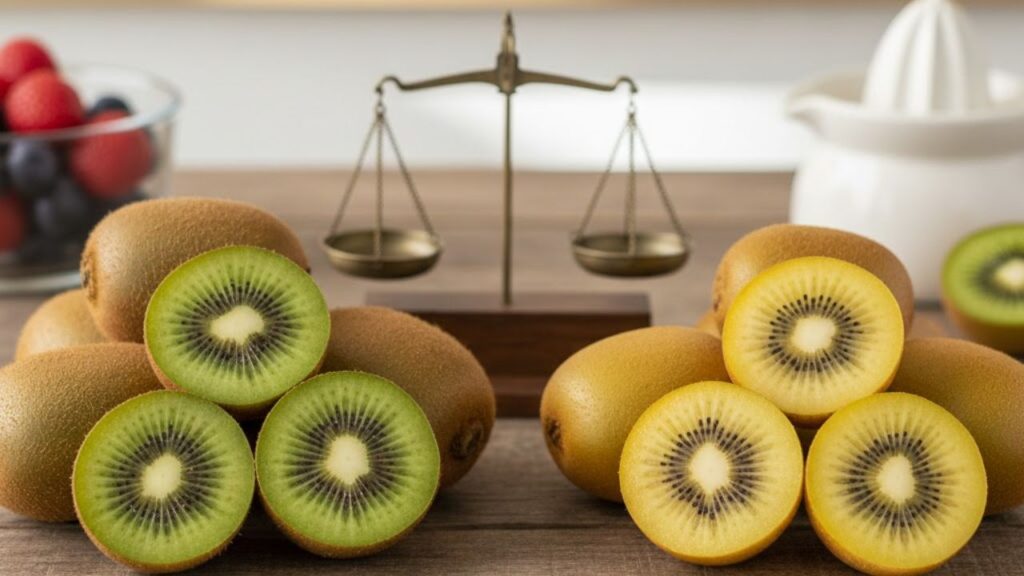
On the other hand, the yellow or “gold” kiwi has a more modern, intentional backstory. In the 1990s, researchers in New Zealand began crossbreeding different kiwi varieties to create a smoother fruit with less acidity. Their objective was clear: to maintain the nutritional value while softening the sharpness of the taste. This led to the creation of the yellow kiwi, which features a bronze skin and golden interior, offering a milder, tropical flavor often compared to a combination of mango and melon.

While both kiwis share a common heritage, years of selective breeding have resulted in two distinct fruit varieties, each with its unique appeal.
A Small Fruit with Big Nutritional Benefits
No matter the color, kiwis are packed with essential nutrients. A single medium-sized kiwi provides approximately 85% of the daily recommended intake of vitamin C, which places it on par with oranges, but in a more compact form.
Vitamin C plays a crucial role in supporting immune function, enhancing iron absorption from plant-based foods, and acting as a powerful antioxidant that helps prevent free radical damage. This antioxidant action benefits not only blood vessels and skin but may also have long-term advantages for cardiovascular health.
Additionally, kiwis contain an enzyme known as actinidin, which aids in the digestion of certain proteins. This is why many people report feeling lighter after consuming kiwi, especially when paired with or after heavy meals.
Kiwi Showdown: Green vs Yellow – A Comparison of Taste, Texture, and Nutrition
When it comes to flavor and texture, the differences between green and yellow kiwis are immediately noticeable.
- Green kiwi: Tart and tangy with a vibrant acidity that pairs well with yogurt or porridge. Its texture is firmer and slightly grainy around the seeds.
- Yellow kiwi: Sweeter, with a gentler acidity and a smoother texture. Its flavor is often described as more “exotic,” making it a popular choice for fruit salads and desserts.
Key Nutrients: Comparing the Health Benefits of Green and Yellow Kiwi
While both varieties share many nutritional benefits, subtle differences make each one shine in specific areas.
| Aspect | Green Kiwi | Yellow Kiwi |
|---|---|---|
| Vitamin C | High | Often slightly higher |
| Fibre | Higher content | Lower than green |
| Taste | More acidic, zesty | Sweeter, milder |
| Skin texture | Thicker, hairier | Thinner, smoother |
Which Kiwi is Right for You?
Green kiwi tends to excel in its higher fiber content, which aids digestion, supports gut health, and can help regulate appetite by promoting feelings of fullness. This makes it an ideal choice for those seeking to control blood sugar levels or manage their weight.
In contrast, yellow kiwi often takes the lead in vitamin C content, offering a more substantial immune boost. If you’re prone to seasonal colds or have a diet that lacks fresh fruits and vegetables, the extra vitamin C from yellow kiwi may be just what you need.