The woman in the mirror doesn’t look old—her skin still glows from a short walk, and her eyes remain bright. But her gaze lands on a new silver strand at her roots. She picks it up, angles her head, and zooms in with her phone. The reaction is nearly audible: grey again. Too soon.
Products lined up on the shelf offer tempting promises: “10 years younger”, “salon results at home”. They all sell the illusion of time. But none offer peace of mind. Her hand moves past them to a soft brown hair gloss she picked up on a whim.
She applies it quickly, without fuss. After twenty minutes, the greys aren’t gone—they’re softened, blended, quietly part of the whole. She looks again. Rested. Her shoulders release just slightly.

Goodbye full-coverage dye. Something gentler is taking over.
A Growing Shift from Full Grey Coverage
This change isn’t about removing grey entirely. It’s about allowing grey to stay without taking over. Across salons in London, Los Angeles, and beyond, conversations are shifting. Stylists now discuss blending, glossing, and toning instead of full coverage and strict root regimens.
Clients aren’t chasing youth. They’re saying, “I’m tired of chasing roots.” They want shine, softness, and natural dimension—hair that doesn’t scream effort. Online, the change may look minor. In person, it’s profound.
A Paris colourist followed 120 long-term clients over a year. Over half extended their appointment frequency from every 4–6 weeks to 8–12 weeks after adopting low-maintenance techniques. Some embraced a touch of grey by choice.
One woman in her early fifties moved from dark dye to a semi-permanent blend that revealed grey at her temples. She didn’t look drastically younger. She looked softer and more refreshed. Friends didn’t notice the colour—they noticed a new ease.
The Power of Subtle, Blended Colour
This approach eases tension in the face. Solid, opaque colour can exaggerate texture and fine lines, especially on mature skin. Blended tones, on the other hand, add depth and reflect light. New colour formulas use demi-permanent dyes, glosses, and tinted masks that enhance rather than overwhelm.
Grey becomes part of the story—not the headline. It’s no longer the enemy. It’s a soft detail that adds realism, like a filter you don’t notice, but that works.
How Grey-Blending Techniques Work
The principle is simple: don’t eliminate grey—make it look better. Glosses, tinted conditioners, and demi-permanent colour don’t hide silver completely. They tone it, soften the contrast, and transform it into light-catching highlights.
One popular method is the “root smudge”. Instead of coating the entire head, stylists apply a slightly deeper shade to the roots, fading it into the natural colour. This tones down grey without fully covering it. Regrowth looks soft, not stark.
Another method uses babylights and lowlights around grey-prone areas—temples and partings—to break up silver clusters. This diffuses the contrast. A final gloss seals the look, making the grey appear intentional and luminous.
Grey Coverage Without Full Commitment
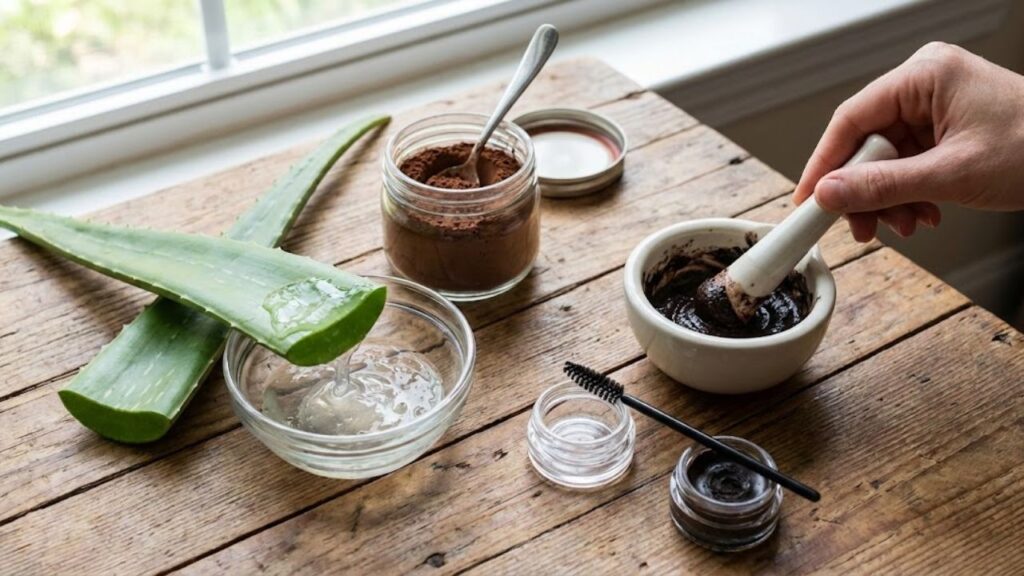
If a salon visit feels like too much, try small changes at home. Swap out your regular conditioner once or twice a week for a tinted mask near your natural colour. Leave it on for 5–10 minutes. It won’t erase grey but will soften the starkness.
A step up is a demi-permanent gloss, which fades gradually and doesn’t leave harsh regrowth lines. Look for shades labeled “sheer,” “translucent,” or “grey-blending.” Warm tones reflect more light and can brighten your complexion. If it’s not quite right, it fades naturally.
At the salon, talk about the feeling you want—not just the shade. Saying “I want to look rested” can lead your stylist to explore glosses, root smudging, and subtle highlights that enhance your natural hair rather than mask it.
Creating a Low-Maintenance Hair Routine
Let’s face it—few people follow complicated routines every day. The key is a rhythm you can sustain, built around consistency and ease.
Start with scalp care. A healthy scalp supports shinier, smoother hair. Massage a light oil or serum once or twice a week to encourage blood flow and softness. Limit heat styling to avoid roughening grey strands.
Common mistakes include going too dark, too fast. A deep shade can draw attention to wrinkles and flatten your look. Another misstep is layering box dye repeatedly—this builds up dullness and makes new grey more noticeable.
“I thought youthful hair meant no grey,” says Anna, 49, who moved from permanent dye to blending glosses. “Now I feel younger with some grey, because I’m not pretending anymore.”
A More Honest, Balanced Definition of Youth
At the heart of this trend is a redefinition of youth. Looking younger no longer means denying grey hair. It means looking fresh, authentic, and aligned with how you feel—not clinging to outdated rules.
This also brings psychological relief. No panic if you miss a root touch-up. No avoiding swimming pools. Life gets easier, and that calm shows up in your face and energy.
Full-coverage dye will always be right for some. But for many, grey blending offers a middle path—one where the hair reflects life’s texture and movement, not resistance to it.
Small Changes That Make a Big Impact
- Start with one tinted mask or gloss—no need to overhaul everything.
- Tell your stylist how you want to feel, not just what shade you want.
- Protect shine with gentle shampoo, cool water, and heat protection.
- See grey as dimension, not defeat.
- Give it time—wait at least two full growth cycles before judging results.
| Key Point | Updated Explanation | Why It Matters for You |
|---|---|---|
| Grey Blending over Full Coverage | Soft techniques like demi-permanent colour, gloss treatments, and subtle highlights are used to blend greys naturally instead of completely hiding them. | Prevents harsh regrowth lines and creates a smoother, more youthful appearance. |
| Low-Maintenance Hair Care | Root smudging, tinted conditioning masks, and extended gaps between salon visits reduce daily upkeep. | Saves time, lowers salon dependency, and gives more freedom in everyday routines. |
| Shine & Tone Focus, Not Grey Elimination | Emphasis is placed on hair shine, balanced tones, warmth, and overall scalp health rather than removing every grey strand. | Brightens the face naturally and refreshes your look without drastic colour changes. |