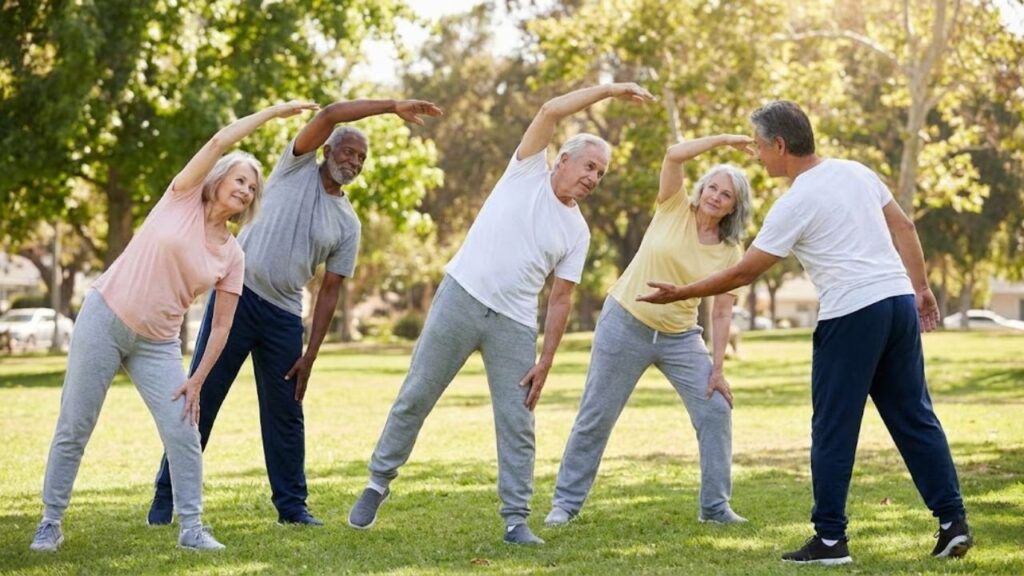
They aren’t preparing for a marathon. They’re preparing for more years of living independently.
Why Movement After 70 Needs a New Rhythm
Advice about staying active later in life often sounds familiar: walk for 30 minutes, go to the gym twice a week. On paper, it makes sense. In real life, it often runs into sore joints, low energy, bad weather, or fading motivation. After 70, the body reacts differently to exercise. Someone can walk daily and still feel unsteady when standing up from a chair.
This is where a different movement pattern begins to make a quiet but meaningful difference.
Sports medicine specialists now speak less about traditional workouts and more about movement literacy. A geriatric physiotherapist in Lyon shared the story of Jacques, a 78-year-old retired engineer. He walked every afternoon without fail. His smartwatch recorded it all. His balance, however, kept declining. He hesitated at curbs, stumbled on rugs, and clutched railings for support. After a small fall at home, he agreed to try something new: ten minutes of gentle balance work, three times a day. No heavy effort, no sweating.
Within a month, he could step into the shower without grabbing the wall.
The time spent moving stayed the same. The outcome changed completely.
After 70, progress is not driven by speed or distance. It depends on how often the brain and body practice coordination under mild challenge. That repetition preserves healthspan—the years lived with clarity and independence. Long walks or weekly workouts often happen in isolated blocks, separated by hours of sitting. The nervous system learns little from that. Short, repeated moments of balance, shifting, and controlled effort keep the body responsive and reduce frailty.
The Micro-Movement Pattern That Protects Healthspan
Geriatric specialists are paying attention to a simple approach: small, targeted movement sessions spread throughout the day. Each session lasts five to ten minutes and appears several times between morning and evening. No special clothes. No travel. Movements are linked to everyday habits like making tea, brushing teeth, or waiting for the news.
The aim is to repeatedly activate balance, leg strength, and hip mobility instead of draining them in one long session followed by hours of rest.
It may feel too minor to matter. That’s exactly why it works.
A typical routine for someone over 70 might look like this: after breakfast, stand behind a chair and rise onto the toes ten times, holding on if needed. Later, practice sitting down and standing up from a firm chair while food cooks. In the afternoon, walk slowly along a hallway in a gentle zigzag, turning the head side to side. In the evening, hold the counter and shift weight from one leg to the other.
These movements are modest. Yet clinics tracking this pattern report fewer falls, easier stair use, and a noticeable drop in daily feelings of fragility.
Perfection isn’t required. What matters is the new rhythm, not flawless consistency.
Aging muscles and nerves respond better to frequent small signals than to rare intense ones. Long walks mainly build endurance. Weekly gym sessions demand motivation. Micro-movements build adaptability. Each brief session reminds the body it still needs to stabilise, react, and adjust. Over time, reflexes sharpen. Blood sugar dips slightly after each bout. Joints receive gentle compression and release. The brain keeps refining its sense of body position. That’s what prevents a stumble from becoming a hospital visit.
How to Begin When You Already Feel Fragile
The easiest entry point is what researchers call movement snacks. Pick three daily moments and add one small challenge to each. While the kettle boils, lightly hold the counter and lift one foot slightly off the floor for a few seconds, then switch. When changing TV channels, stand up and sit down five times at an easy pace. Before brushing teeth, hold the sink and rotate the torso gently side to side.
Each movement snack is like brushing your balance instead of your teeth.
The pattern matters more than the specific exercise.
Fear is common, especially after a fall or when living with arthritis. If standing on one leg feels unsafe, keep both feet down. Use a sturdy chair or counter. Start one step below what feels challenging. A few steady repetitions are better than many unsteady ones. This approach is designed to fit both good days and difficult ones.
If you’ve been advised about heart or blood pressure concerns, discuss these ideas with your doctor first.
As one geriatrician in Madrid explains, people often believe they need long gym sessions to slow aging. What changes their trajectory is six or seven minutes, repeated several times a day. The result isn’t feeling fitter—it’s feeling less afraid of stairs.
- Start with support: Use a counter, table, or wall for new movements.
- Keep sessions brief: Five to ten repetitions or about one minute.
- Link to habits: Attach movements to fixed routines like coffee or phone checks.
- Track wins: Note small gains such as standing up without hands.
- Stop if discomfort appears: Sharp pain, dizziness, or chest pressure are signals to stop.
A Different Way to Think About Aging and Movement
After 70, the question shifts from “Did I exercise?” to “How often did my body work with gravity today?” That can happen in a hallway, by the sink, or in the kitchen. It can be done alone or with a neighbour over a shared routine.
Long walks can still have a place. Micro-movements simply fill the quiet hours between them with small signals of strength and balance.
The reward isn’t a flawless body. It’s another year of carrying groceries, stepping into the bath confidently, and standing up from the floor without negotiation. Aging continues, but your margin of safety grows wider.
Key Takeaways
- Short, frequent movement works best: Several brief sessions improve balance and coordination with less fatigue.
- Daily habits make it sustainable: Linking movements to routines increases consistency.
- Balance and leg strength matter most: Simple supported movements directly support walking and fall prevention.