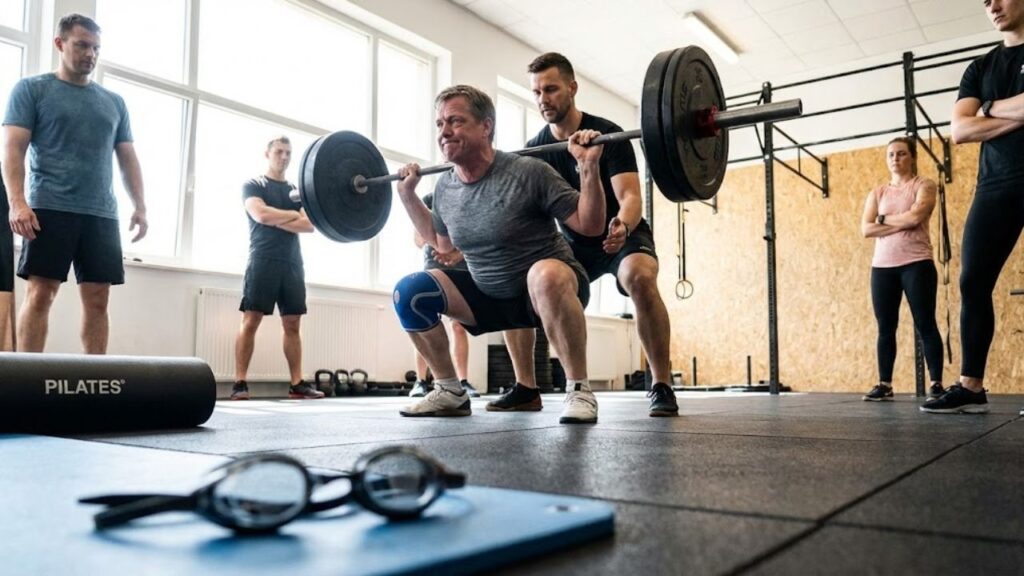
The woman in front of me eyes the gym timetable like it’s a confusing menu. Swimming… full. Pilates… booked. “My knees can’t handle another spin class,” she mutters, rubbing her right knee with a tenderness that speaks of too many icy treatments. Around her, people are sprinting on treadmills and lifting weights, while the gym hums with the energy of bodies that don’t creak.
She turns to the receptionist, asking for something “gentle, low-impact, you know… good for knees.”
The response she gets surprises her.
The Quiet Champion for Bad Knees: Walking
Knee pain often leads to a narrowing of options. Suddenly, every stair feels like a hurdle, every sport a risk, and any invitation to join feels more like a trap. The usual advice? Swimming for its softness, Pilates for building strength—safe, sensible, and generally accepted.
But an increasing number of physical therapists are advocating for a simple, often overlooked answer: walking. Not just casual strolling, but structured, progressive walking that challenges you without causing pain. The type that gets your heart rate up but leaves you without wincing.
For example, a 2023 study focused on people with knee osteoarthritis found that regular walking reduced pain, stiffness, and even the risk of worsening the condition. No special equipment, no booked pool lanes—just shoes, pavement, and a plan.
It might sound a little underwhelming, right? We dream of some secret, advanced workout that only the elite know about. But time and time again, the success stories pile up. Take a 52-year-old teacher who gave up tennis and avoided another Pilates subscription. She started with five minutes of walking around the block, and within six months, she was walking 35 minutes three times a week. Her orthopedist was impressed with her improved range of motion.
Why Walking Works for Knee Pain
Walking works because it strikes a balance. It’s just enough stress to keep cartilage and bone healthy but not enough to hurt. The muscles around the knee—quads, hamstrings, calves, and glutes—stay active without overloading the joint.
Swimming allows the knee to escape load, which feels great, but it doesn’t teach the knee to handle the stresses of daily life. Pilates builds strength but can miss the repetitive, real-world motions we make every day. Walking, however, mimics those natural movements—making it more aligned with life outside the gym. That’s why experts often suggest it, even if people are skeptical.
How to Walk When Your Knees Hurt
The key isn’t simply “walk more,” it’s “walk smarter than your pain.” Start with something incredibly easy—just three to five minutes on flat ground. That’s your goal. When you finish, you should feel, “I could have done more,” not “I barely survived.”
Then, slowly increase your walking time every few days. Flat, soft surfaces, comfortable shoes, and a pace that allows you to talk in short sentences without gasping—nothing too intense, nothing too slow. Find the middle ground, where your stride feels natural.
People often make two mistakes. They either jump from zero to 45 minutes because they finally feel motivated, only to limp for days, or they wait for the perfect weather and pain-free moments to walk. Let’s be honest: nobody walks consistently like that.
A better approach is the “good enough” mindset. Mild discomfort (about a 3 out of 10) that doesn’t worsen while walking is usually acceptable. Sharp pain or swelling afterward is a red flag. A steady walk on a regular day is more valuable than one heroic walk that leaves you sore for the rest of the week.
“People underestimate walking’s power,” says Marie, a French sports physiotherapist specializing in chronic knee pain. “When people commit to walking for six weeks, respecting their limits and progressing slowly, I see more significant improvements than with many trendy workouts.”
Walking Tips for Knee Health
- Start with a time limit, not a distance—stop when the timer goes off, even if you feel fine.
- Walk on flat surfaces before attempting hills.
- Use the “talk test”—you should be able to talk but not sing.
- Track your pain 24 hours after walking, not just during.
- Pair your walks with light strength exercises like chair squats or wall sits for extra benefits.
Why Walking May Annoy Some, But Free Others
There’s a reason this advice sparks debate. Swimming and Pilates feel elegant and Instagram-worthy—part of a curated lifestyle. Walking, on the other hand, feels almost too basic. It’s something your grandmother might do after lunch. But here’s the truth: the body doesn’t care if the movement is fancy—it only cares about consistency and how well it aligns with your current capabilities.
When a doctor tells a patient, “Walk 20 minutes, three times a week, flat ground, for three months,” it can sound dismissive. Yet, many will happily spend hundreds on trendy classes that they eventually quit after a few sessions.
Walking also forces us to face some uncomfortable realities. There’s no fancy equipment to blame, no instructor to blame, no class time that didn’t work. It’s just you, your schedule, and your willingness to find time for a habit that doesn’t get applause.
But there’s a freedom in that. You don’t need a gym membership or a swimsuit body. You can walk with a friend, a podcast, or your thoughts. On your lunch break, or around the block while dinner simmers. Sometimes the most radical thing is returning to what everyone can access for free.
So yes, some Pilates or swimming enthusiasts might bristle at the idea that **simple, structured walking** could surpass their preferred methods for knee pain. And no, walking isn’t a magic cure—some knees need specific strength training, weight loss, or even medical treatments. Pilates can still be an excellent complement, especially for core strength and control.
But as a foundational movement, walking has an enduring impact. Step by step, minute by minute, it’s a simple habit that can transform your ability to climb stairs six months down the line.
Key Takeaways
- Walking is better for daily function than more complex workouts, as it mimics real-life tasks like stairs and standing.
- Progression is key: Start with short, flat walks and gradually increase time to avoid flare-ups while building confidence.
- Consistency matters more than perfection: Regular, manageable walks are better than rare, intense sessions.