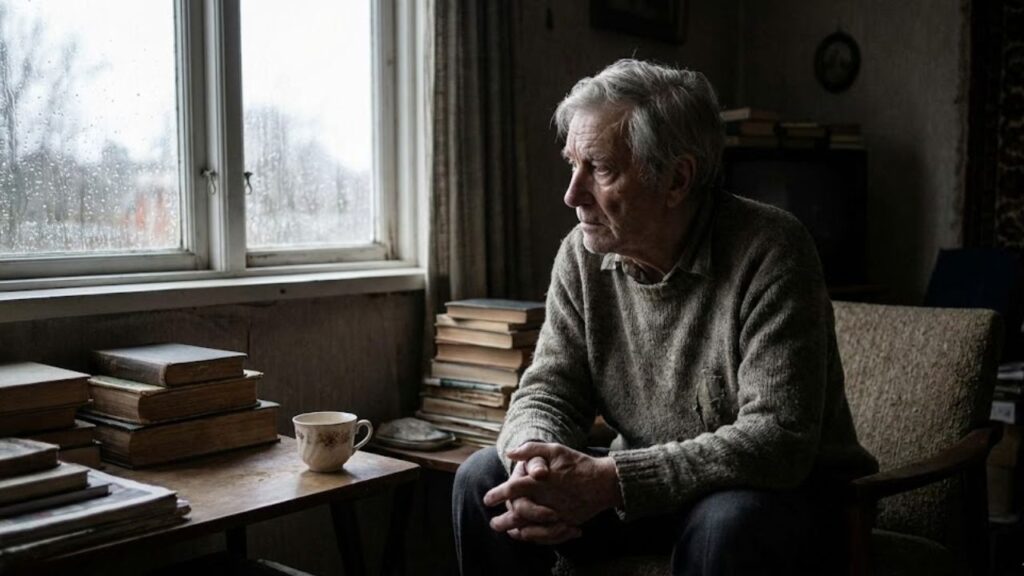
For a growing number of older adults, ageing brings an unexpected shift. Not a slide into loneliness, but a deliberate move away from constant social noise. Life becomes quieter, obligations fewer, and days start to reflect who they truly are now, rather than who others expect them to be.
The psychology behind stepping back
Psychologists describe this pattern through socioemotional selectivity. As people grow older, their focus naturally narrows toward what feels meaningful. Calm relationships, familiar routines and peaceful environments begin to matter more than stimulation or novelty.
This change looks different for everyone. Some people stay socially active well into old age. Others, sometimes abruptly from an outsider’s view, begin declining invitations, staying home more often and reducing contact. In most cases, this is not unhappiness. It is a quiet reorganisation of priorities.

Pulling back from the crowd is rarely about giving up on life. It is more often about reclaiming it on personal terms.

1. Fewer social plans, deeper connections
One of the earliest signs is a noticeable drop in social activity. Messages go unanswered. Group chats are muted. Regular events start to feel heavy instead of enjoyable.
Affection has not disappeared. Many older adults care deeply about those close to them but feel less tolerance for small talk. They prefer a quiet one-on-one conversation over a crowded table.
- Smaller gatherings, chosen with intention
- Reduced patience for drama or gossip
- Stronger focus on long-term, trusted bonds
From the outside, this can look distant or antisocial. From the inside, it feels like clearing space so meaningful relationships can breathe.
2. Solitude becomes comforting, not frightening
Another common shift is how time alone feels. Solitude stops signalling that something is wrong and begins to feel safe, even restorative.
Research on ageing and wellbeing shows that when solitude is chosen, many older adults experience it as peaceful rather than painful. Quiet hours are often spent reading, organising memories, gardening, writing or simply sitting without interruption.
For those stepping back, solitude becomes a resource, not a punishment.
The key difference lies in control. If someone can socialise but often prefers not to, they are likely protecting their energy, not withdrawing from life.
3. Presence and mindfulness take priority
As social busyness fades, attention often turns inward. People become more aware of their thoughts, emotions and physical sensations throughout the day.
This is not about formal meditation retreats. It often appears as simple, everyday mindfulness:
- Drinking coffee without scrolling headlines
- Walking slowly, noticing breath and surroundings
- Pausing before reacting during tense moments
This awareness gives shape to quieter days. Slower living stops feeling empty and begins to feel intentional and carefully crafted.
4. Noise and crowds lose their appeal
Many older adults develop a strong aversion to environments they once enjoyed. Busy restaurants, packed transport and loud public spaces can start to feel overwhelming.
Sensory tolerance often changes with age. Bright lights, overlapping voices and constant background noise require more mental effort to process. What once felt exciting can now feel physically exhausting.
This is not avoidance of life. It is often protection of the nervous system.
As a result, quieter settings become preferable: small cafés, parks, familiar shops or home itself. While loved ones may see staying in as withdrawal, many older adults experience calm environments as what allows them to feel fully present.

5. Curiosity remains, but on quieter terms
Stepping away from social noise does not mean losing interest in life. In fact, many people feel a renewed desire for new experiences, just not loud or competitive ones.
The focus shifts from spectacle to depth and meaning, such as:
- Learning new skills at home
- Travelling off-season to quieter places
- Studying subjects long postponed
- Starting creative projects delayed for years
These pursuits are rarely about recognition. They are driven by a wish to finish life with clarity rather than regret.
6. Self-care moves to the centre
As busyness fades, time and attention often shift toward personal wellbeing.
This includes consistent movement, better sleep routines, food that suits the body and regular moments of rest. Mental health also takes a stronger role through journalling, therapy, spiritual practices or honest conversations.
Stepping back from the crowd frees up energy to maintain and repair both body and mind.
Instead of squeezing self-care into leftover moments, many older adults begin building their days around what supports stability and vitality.
7. Authenticity replaces social obligation
The deepest change is often internal. Many people feel less need to please, impress or perform. They stop attending events they dislike, speak more plainly and decline roles that no longer fit.
Research consistently links this shift toward authentic living with higher life satisfaction. When daily choices align with personal values instead of social pressure, inner peace often grows, even if life appears smaller from the outside.
With age, pretending becomes costly, and being real finally feels worth the risk.
When stepping back supports health, and when it doesn’t
Not all withdrawal is healthy. Similar behaviours can signal depression or harmful isolation when driven by hopelessness rather than choice.
Concerning signs include persistent sadness, loss of interest in almost everything, neglect of basic needs or feelings of worthlessness. In these cases, professional support and connection matter deeply.
Healthy retreat usually comes with stable or improved mood, clear boundaries and a sense of control. Relationships may be fewer, but they often feel warmer and more genuine.
Living well with a quieter rhythm
For those who recognise these patterns in themselves, small steps can keep life balanced:
- Maintain at least one regular connection, even by phone
- Mix quiet days with carefully chosen outings
- Seek medical or emotional support if low mood persists
- Use solitude actively for reflection, learning or creativity
For family and friends, understanding works better than pressure. Smaller gatherings, shorter visits and calm settings help preserve connection while respecting new limits.

Ageing often brings the realisation that time and energy are not endless. Some respond by chasing bigger experiences. Others move toward quiet rooms, chosen company and honest days that may look uneventful, yet feel deeply full.