On a warm Friday afternoon in São Paulo’s eastern district, the line at a small fish market stretches past the bakery and nearly reaches the bus stop. The air smells fresh, salty—far from the usual overpowering scent of fish counters. Inside the display, neatly arranged fillets of tilapia, salmon, and sardines rest on crushed ice. But today, the real demand is for something else: jaraqui, a once-overlooked river fish from the Amazon, long considered “comida de pobre” — food for the poor. As the vendor lifts a tray of jaraqui, the chatter intensifies, with some reminiscing that it was once deemed fit only for dogs. The price is asked, and a noticeable shift happens—this affordable fish has become the star of the show.
How Jaraqui Has Made Its Comeback
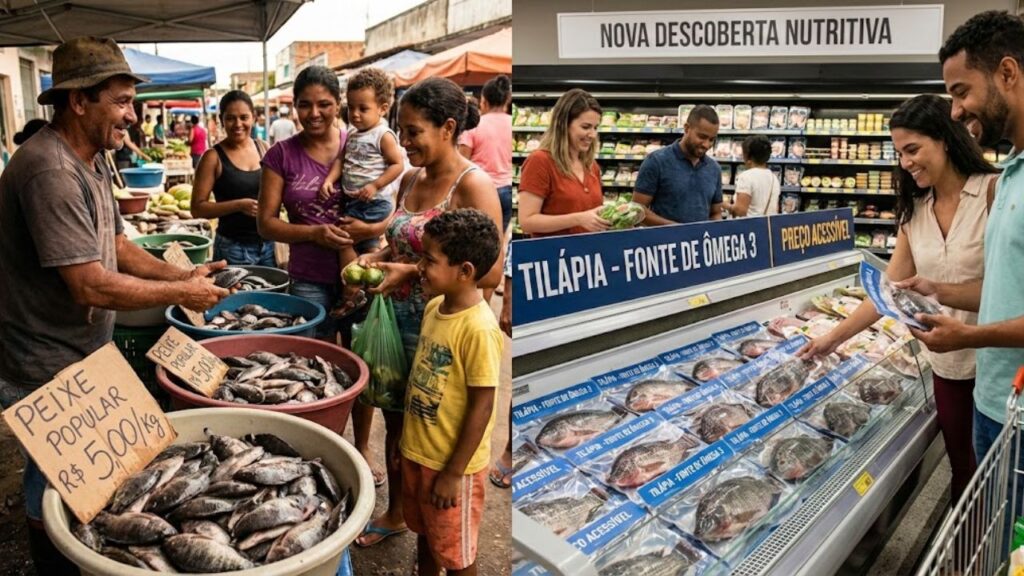
Across Brazil, especially in Manaus, jaraqui has been a staple in local street markets for years. While middle-class consumers once dismissed it in favor of more expensive fish, times are changing. As inflation continues to rise, families have started rethinking their food choices, and cheaper fish options like jaraqui, pacu, and curimbatá are gaining new attention. Ana Paula, a restaurant owner in Belém, has seen this shift firsthand. “People used to ask for filhote or dourado, the ‘noble’ river fish,” she recalls. “Now, they quietly ask, ‘Do you have jaraqui today?’” Her grilled jaraqui dish, paired with rice and beans, is now a popular and affordable alternative to pricier options like salmon. The shift goes beyond finances—nutritionists and even TikTok influencers are promoting these “low-status” fish for their high-quality protein, omega-3s, and other health benefits.
The Nutritional Benefits of “Humble” Fish
Jaraqui and similar species are rich in essential nutrients such as protein, omega-3s, B vitamins, calcium, and selenium. These “humble” fish are sourced from small-scale river fisheries that offer shorter supply chains compared to imported fish like salmon. The increased availability of local freshwater fish, combined with improved inspection processes and cold-chain logistics, has alleviated former concerns about food safety. These changes have helped to dispel myths that low-priced fish are unsafe, showing that industrially farmed fish are not always cleaner or healthier. For many Brazilians, the stigma surrounding these affordable fish is now fading, replaced by a growing appreciation for their nutritional value and freshness.
Reclaiming the Pride of Jaraqui
The resurgence of jaraqui is about more than just nutrition and cost. It represents a cultural shift, challenging old prejudices about what’s considered “worthy” food. For years, fish like salmon and cod were promoted as symbols of success and sophistication, while local river fish were seen as poor man’s fare. However, many Brazilians are now embracing jaraqui as a symbol of resilience and resourcefulness, rejecting the idea that quality food has to come at a high price. As families rediscover old recipes and learn to cook these affordable fish with respect, the gap between “poor people’s food” and “smart people’s food” is narrowing.
| Key Point | Detail | Value for the Reader |
|---|---|---|
| Affordable Nutrition | Species like jaraqui offer protein, omega-3s, and minerals at a fraction of the cost of “noble” fish | Eat healthier meals without increasing your food budget |
| Safety and Freshness | Shorter supply chains and better inspection have improved quality in local freshwater fish | Reduce anxiety about contamination and choose fish with more confidence |
| Culinary Versatility | Simple methods – pan-frying, baking, pressure cooking – turn “humble” fish into everyday favorites | Expand your menu with easy, low-effort recipes that feel special |