Empathy is often described as the ability to understand others, but modern psychology suggests it is far more layered than that. In India, where workplaces, families, and communities are deeply interconnected, empathy plays a vital role in emotional intelligence and leadership. These three forms of empathy go beyond simple kindness and reflect a higher intelligence that shapes decision-making, relationships, and social awareness. Understanding how each type works can help individuals communicate better, respond thoughtfully, and grow both personally and professionally in today’s fast-changing world.
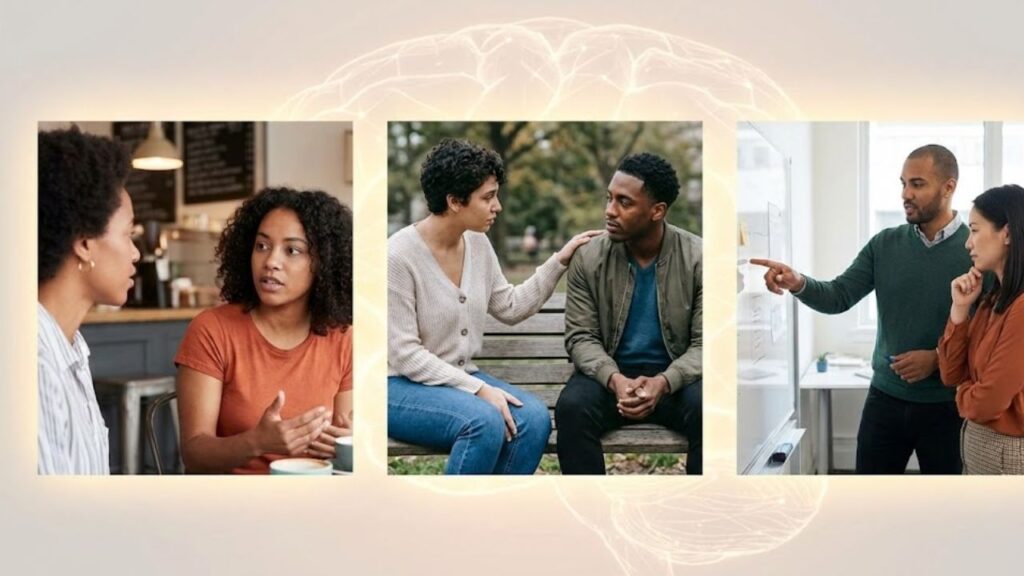
Cognitive empathy and higher intelligence in understanding others
Cognitive empathy focuses on the ability to understand another person’s perspective without necessarily sharing their emotions. It is closely linked to perspective awareness, mental flexibility, and social insight, allowing people to read situations accurately. Those with strong cognitive empathy can predict reactions, navigate complex conversations, and avoid misunderstandings. In professional settings across India, this form of empathy supports negotiation, leadership, and teamwork. Rather than reacting emotionally, individuals rely on clear reasoning to assess what others might be thinking. This approach reflects higher intelligence because it blends logic with social understanding, helping people make balanced decisions even in emotionally charged environments.
Emotional empathy as a sign of deeper intelligence
Emotional empathy is the capacity to actually feel what another person is experiencing. It involves emotional resonance, shared feelings, and human connection, which help build trust and closeness. In families and communities, this form of empathy strengthens bonds by validating emotions rather than dismissing them. However, emotional empathy also requires self regulation so that one does not become overwhelmed by others’ pain. When balanced well, it reflects higher intelligence by combining sensitivity with control. People who manage emotional empathy effectively can support others while maintaining their own well-being.
Compassionate empathy reflecting higher emotional intelligence
Compassionate empathy goes a step further by turning understanding and feeling into action. It is marked by intentional support, helpful response, and moral awareness. This form of empathy drives people to help, comfort, or advocate when they see someone struggling. In social and cultural contexts, it encourages responsibility toward others, not just sympathy. Compassionate empathy also relies on ethical judgment to decide how to act effectively. This makes it a strong indicator of higher intelligence, as it blends thought, emotion, and purposeful action into meaningful behavior.
Why these three types together signal higher intelligence
When cognitive, emotional, and compassionate empathy work together, they create a powerful form of intelligence. This combination supports balanced thinking, emotional maturity, and social harmony. Instead of reacting impulsively, individuals can understand situations, feel appropriately, and act wisely. In diverse societies like India, this blend helps people navigate differences with respect and clarity. It also promotes long term growth by improving relationships and decision-making over time. Together, these forms of empathy reflect not just kindness, but a refined and adaptive intelligence.
| Type of Empathy | Main Focus | Key Benefit |
|---|---|---|
| Cognitive Empathy | Understanding perspectives | Better communication |
| Emotional Empathy | Feeling others’ emotions | Stronger relationships |
| Compassionate Empathy | Taking supportive action | Positive social impact |
| Combined Approach | Thought, feeling, action | Higher intelligence |
Frequently Asked Questions (FAQs)
1. What are the three forms of empathy?
They are cognitive empathy, emotional empathy, and compassionate empathy.
2. Why is empathy linked to intelligence?
It shows the ability to understand, manage emotions, and act wisely in social situations.
3. Can empathy be developed over time?
Yes, empathy can be strengthened through awareness, practice, and reflection.
4. Which type of empathy is most important?
All three are important and work best when used together.