Emerging research is shedding light on how crucial it is to sleep in complete darkness. It’s not just a quirky preference—it may be a simple and effective way to enhance brain function, stabilize mood, and protect your mental health in the long term.
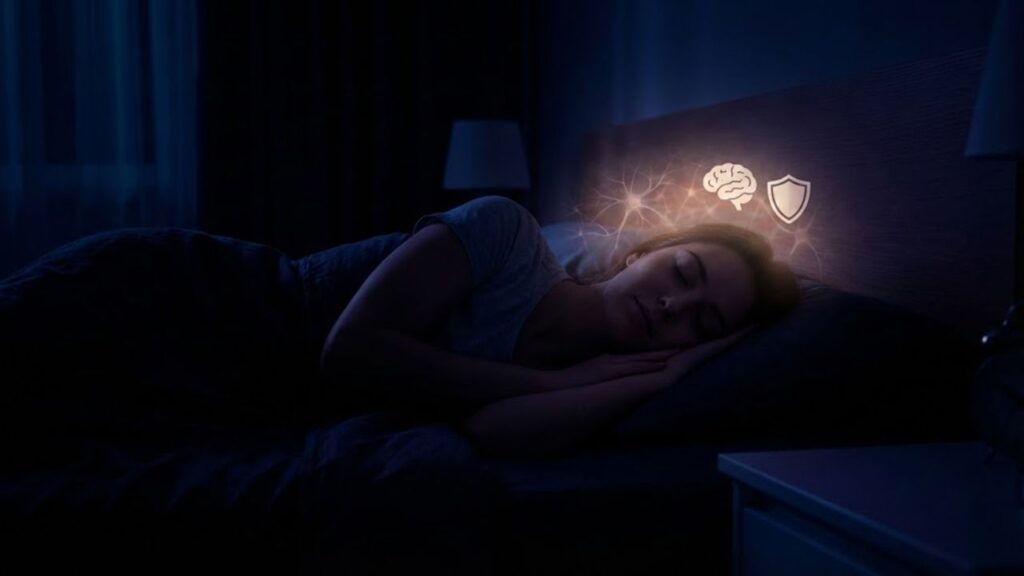
The Hidden Dangers of Sleeping with Light On
Many people have grown accustomed to falling asleep with a TV on, a hallway light glowing, or a phone screen lighting up their nightstand. It feels comforting and convenient, but science reveals that these habits can disrupt your sleep. Studies, including those from Monash University in Melbourne, show that even low levels of light during sleep can interfere with melatonin production—a hormone that signals to your body it’s time to rest.
When light infiltrates your bedroom at night, your brain gets conflicting signals: “It’s bedtime” and “It might still be daytime” simultaneously. This confusion delays sleep onset and compromises the quality of your rest. Even if you believe you’ve slept for eight hours, the sleep you get with light exposure is often fragmented, lighter, and less restorative.
A meta-analysis published in 2025 in the journal Annals of Medicine found a link between nighttime exposure to artificial light and disruptions to the circadian rhythm—the internal 24-hour clock that governs sleep, body temperature, metabolism, and hormone release. These disruptions are associated with:
- Increased risk of metabolic issues like weight gain and insulin resistance
- Higher susceptibility to mood disorders such as anxiety and depression
- Daytime fatigue and diminished concentration
- Elevated inflammation and stress hormone levels
In essence, that seemingly harmless glow could be subtly pushing your body into a state similar to mild jet lag.
How Total Darkness Enhances Mental Health
As light pollution becomes a growing concern, scientists are exploring the benefits of complete darkness during sleep. Research published in 2025 revealed that bedrooms as dark as possible were linked to improved mental health. Participants who slept in near-total darkness reported fewer symptoms of depression and more stable moods.
Researchers suggest that darkness supports the brain’s ability to reset fully. Some of the key benefits include:
- Consistent melatonin production throughout the night
- Better synchronization of the circadian rhythm
- Enhanced recovery of neural circuits involved in emotion regulation
- More efficient “housekeeping” processes in the brain, like waste clearance
Those who sleep in dark environments often feel mentally clearer, less irritable, and more emotionally steady, supporting both emotional resilience and cognitive function.
Darkness as a Signal for Restoration
Night is not just a passive phase for the body; it’s an active signal to the brain. As light dims, the nervous system activates networks that promote deeper stages of sleep, where essential processes like tissue repair, immune function, and memory processing intensify. If the room remains too bright, these restorative stages may be cut short or interrupted, reducing the overall quality of recovery.
Think of total darkness as a “do not disturb” signal for the brain—once it’s in place, critical repair programs can operate at full speed.
How Darkness Shapes Your Senses and Dreams
Neuroscientist David Eagleman of Stanford University explains that as light fades, the brain’s sensory landscape transforms. The brain regions responsible for vision become less active, freeing up cognitive resources for other senses like hearing, touch, and smell. This shift also creates more space for dreams.
Dreaming isn’t random—it helps consolidate memories, process emotions, and maintain the visual brain by keeping the visual cortex “occupied” in the absence of light. When you sleep in complete darkness, the visual system can “stand down,” leading to more vivid, coherent dreams that strengthen memories and rehearse emotional situations.
Practical Steps to Embrace Darkness
Transitioning to a darker sleep environment doesn’t have to be extreme or costly. Small changes can significantly reduce nighttime light exposure:
- TV: Instead of falling asleep with the TV on, set a sleep timer or remove the TV from the bedroom.
- Nightlights: Replace bright nightlights with low-intensity, motion-activated lights outside the bedroom.
- Thin Curtains: Replace curtains that let in streetlights with blackout blinds or use an eye mask.
- Phone: Instead of leaving your phone charging on your nightstand, charge it in another room or place it face down in a drawer.
For those who feel uneasy in total darkness, consider using dim, warm-colored lights placed low to the ground, gradually reducing brightness over weeks until you feel more comfortable.
When Darkness May Be Challenging
Not everyone can or should immediately sleep in total darkness. Children, older adults at risk of falls, and people with certain anxiety conditions may need a compromise. In these cases, experts recommend:
- Using the dimmest light that still feels safe
- Opting for amber or red lights instead of blue-white LEDs
- Positioning lights away from direct eye level, towards the floor or walls
These adjustments help protect emotional comfort and safety while minimizing the disruption to melatonin production and circadian rhythms.
How Darkness Works with Screens, Caffeine, and Late Nights
Darkness isn’t a magic fix—it works best when combined with other healthy habits. Evening exposure to bright screens, overhead lighting, heavy meals, or caffeine can counteract the benefits of a dark sleep environment. A practical routine might involve dimming lights after a “digital sunset,” switching devices to night mode, and avoiding scrolling in bed.
For shift workers who sleep during the day, strategies like blackout blinds, eye masks, and careful light exposure can help rebuild a stable rhythm, supporting mood and cognitive performance even on irregular schedules.
Key Terms Behind the Science of Dark Sleep
Two concepts are key to understanding the science of dark sleep:
- Melatonin: A hormone that signals the start of night when light levels drop. Blue-light exposure from LEDs and screens can suppress melatonin, delaying sleep onset.
- Circadian Rhythm: The internal 24-hour clock that regulates sleep, appetite, body temperature, and more. Disruptions to this rhythm can lead to higher rates of depression and metabolic issues.
By embracing total darkness at night, we help our internal systems function at their best, with little effort required. The emerging research suggests that this simple change could be a quiet ally for brain health and emotional balance.