Across Europe and the US, anxiety has become one of the leading reasons people seek professional help, yet traditional treatments like medication and talk therapy often fail to provide lasting relief. A large Swedish study has revealed a simple but powerful solution already within our reach: movement. However, it’s not just about any movement—it’s about how we move and with the right mindset.
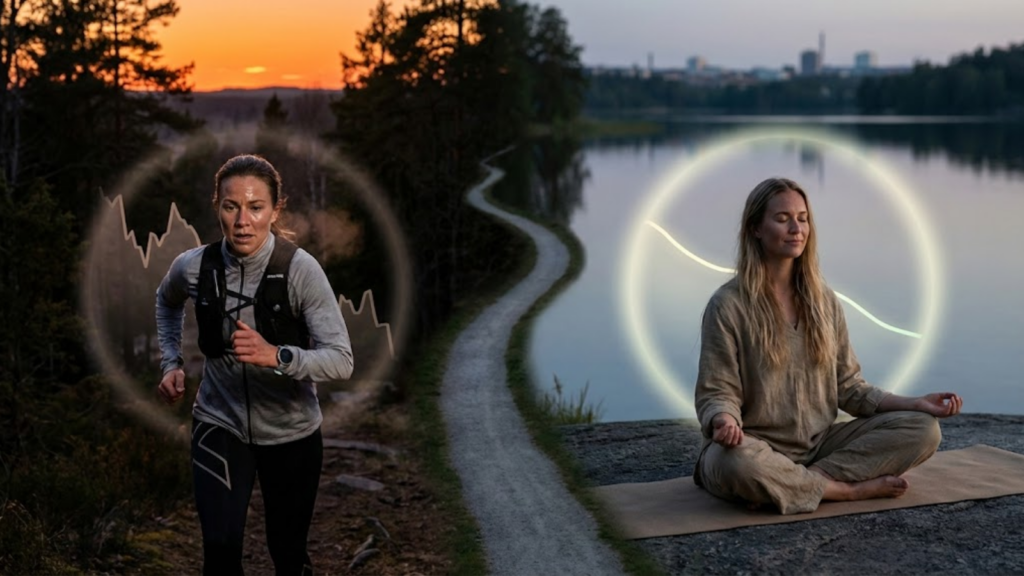
Why Anxiety Persists Even When Everything “Looks Fine”
Anxiety disorders often begin in the teenage years, gradually becoming a long-term issue. These disorders can drain energy, disrupt sleep, and lead to social isolation. Over time, anxiety can increase the risk of depression, chronic illness, and, in severe cases, even reduce life expectancy.
While treatments such as antidepressants and cognitive behavioral therapy help millions, studies show that for around half of those who seek treatment, symptoms either return or never fully disappear.
One major factor is the body. Anxiety is not just a racing mind—it’s a physical experience. Muscles tense, the heart races, and breathing becomes shallow. These physical responses are part of our body’s threat system, designed to help humans survive. But when they occur repeatedly, the nervous system starts treating this alarm state as its default setting.
This creates a vicious cycle: the body signals danger, the brain agrees, and everyday situations start feeling unsafe. For example, someone may notice their heart racing in a meeting and interpret it as a sign they are “not coping,” which only fuels more anxiety. This cycle can block helpful habits, including exercise.
When the body remains in a constant state of alarm, anxiety shifts from being about specific situations to how the nervous system has learned to react.
Breaking the Cycle: “Body-First” Strategies
To break this cycle, clinicians are increasingly recommending “body-first” strategies. These include techniques such as breathing exercises, gentle stretching, and mindfulness practices that focus on physical sensations without judgment.
Simple exercises like “box breathing”—a technique involving equal counts for inhaling, holding, exhaling, and pausing—can help slow the heart rate and signal safety to the brain. Sensory anchoring, such as noticing the sensation of both feet on the floor or observing five things in your environment, can also help the mind step away from anxious thoughts.
The Swedish Ski Study: What It Found
Swedish researchers took a closer look at movement on a large scale. They focused on the Vasaloppet, a famous 90-kilometer cross-country ski race that attracts tens of thousands of amateur athletes each year. The research team followed nearly 400,000 people for 21 years. Half had participated in the Vasaloppet, while the other half had not.
The study found that participants who took part in the Vasaloppet were 60% less likely to develop an anxiety disorder compared to non-participants. This protective effect remained even after adjusting for other psychiatric conditions.
These findings align with previous research, including a meta-analysis of 14 long-term studies, showing that regular physical activity is linked to a significantly lower risk of developing anxiety.
What’s Happening Inside the Body and Brain?
Researchers believe several biological processes are at play when exercise helps reduce anxiety:
- Exercise regulates cortisol: Cortisol is the hormone released during stress. Physical activity helps keep it in check.
- Exercise reduces inflammation: Chronic inflammation, which affects mood and brain function, is reduced through regular movement.
- Exercise boosts BDNF: Brain-derived neurotrophic factor (BDNF) supports neural connections and resilience. People with chronic anxiety often show lower levels of BDNF, but regular movement appears to help restore this balance.
Psychologically, physical activity offers a distraction from rumination, promotes social interaction, and provides a sense of mastery. Over time, people learn that bodily sensations like rapid heartbeats or shortness of breath are not necessarily signs of danger. For someone who fears panic attacks, this shift can change the meaning of these sensations entirely.
The Surprising Twist in the Swedish Study
While the study showed that participation in the race was linked to a lower risk of anxiety, there was an interesting exception: high-performing women who completed the race the fastest had a higher risk of anxiety compared to those who skied at a slower pace.
In contrast, no such link was observed in men. The protective effect of participation remained strong, regardless of finishing time.
Researchers proposed several explanations. Intense training can push the body into a constant “high alert” state, especially when recovery is insufficient. Some women may train intensely while balancing heavy workloads and family responsibilities, leaving little time for rest.
Furthermore, exercise may be tied to body image or perfectionism for some individuals, particularly women. Previous studies have found higher rates of exercise addiction and appearance-related anxiety among women who train intensely for aesthetic reasons. In these cases, exercise becomes another source of pressure, rather than a tool for reducing anxiety.
Finding the “Sweet Spot” for Movement
The key takeaway for mental health professionals is that recommending exercise is not about pushing people to train harder. The type, intensity, and mindset behind the activity all influence its effect on mental health.
For many adults with anxiety, an accessible “sweet spot” might look like:
- Moderate exercise most days, such as brisk walking, cycling, light jogging, or swimming.
- Sessions that are long enough to increase the heart rate but not so intense that they cause exhaustion.
- A focus on how the exercise feels rather than on performance or speed.
- Incorporating rest days and variety to avoid fatigue and boredom.
Clinicians are increasingly encouraging people to see exercise as a way to train the nervous system, not just a means of weight loss or performance. The goal is to help the body experience activation and then return to calm, breaking the cycle of anxiety over time.
Different Activities, Different Effects on Anxiety
Not all forms of movement affect anxiety in the same way. Here’s a look at how different types of exercise may impact anxiety:
| Type of Activity | Intensity | Effect on Anxiety |
|---|---|---|
| Brisk walking | Low to moderate | Gentle calming, accessible for beginners, ideal for daily routine |
| Running or cycling | Moderate to high | Can build confidence with bodily sensations; may feel overwhelming for some |
| Yoga or Pilates | Low to moderate | Combines movement and breath, often reduces muscle tension and rumination |
| Team sports | Variable | Adds social connection, reduces isolation that fuels anxiety |
People with long-term anxiety often benefit from starting with lower-intensity activities and gradually building up. The goal is to create a series of positive experiences where the body gets active, the mind expects some discomfort, and both experience recovery without panic.
Practical Examples: How to Apply This in Real Life
Imagine a 35-year-old office worker who struggles with racing thoughts in the evening. Instead of starting with running, they might begin with a 20-minute walk three times a week, paying attention to the movement of their feet and the sensation of the air on their face. Over time, they add short bursts of faster walking to elevate their heart rate slightly, learning to label the physical sensations as “exercise, not danger.”
On the other hand, a woman who already trains hard for endurance events but feels constantly on edge might benefit more from reducing the pressure. Swapping one intense session for a relaxed bike ride with a friend or a yoga class focused on breathing rather than performance might be more helpful.
For anxiety, the key is not to push harder but to teach the body that effort and safety can coexist.
Key Terms and Risks to Be Aware Of
Some key terms commonly appear in this research:
- Cortisol: A hormone released during stress. While it’s helpful in short bursts, prolonged high levels can disrupt mood and sleep.
- BDNF: A protein that helps brain cells grow and connect. Higher levels are associated with better learning and resilience.
- Exercise dependence: A condition where individuals feel anxious or irritable if they miss a workout, even when they’re injured or exhausted.
While most people don’t experience exercise dependence, for those already prone to anxiety or body image concerns, the line between “healthy routine” and “compulsion” can blur. Warning signs include exercising despite pain, skipping social events to work out, or feeling that self-worth depends entirely on performance.
On the other hand, avoiding exercise altogether carries its own risks, including increased anxiety, heart disease, type 2 diabetes, and certain cancers. A low-intensity, sustainable routine is usually safer than no exercise at all.
The Swedish study doesn’t claim that skiing or any other single form of exercise can cure anxiety. However, it strongly suggests that regular, moderate activity, combined with a kind mindset, can significantly improve mental health over time.