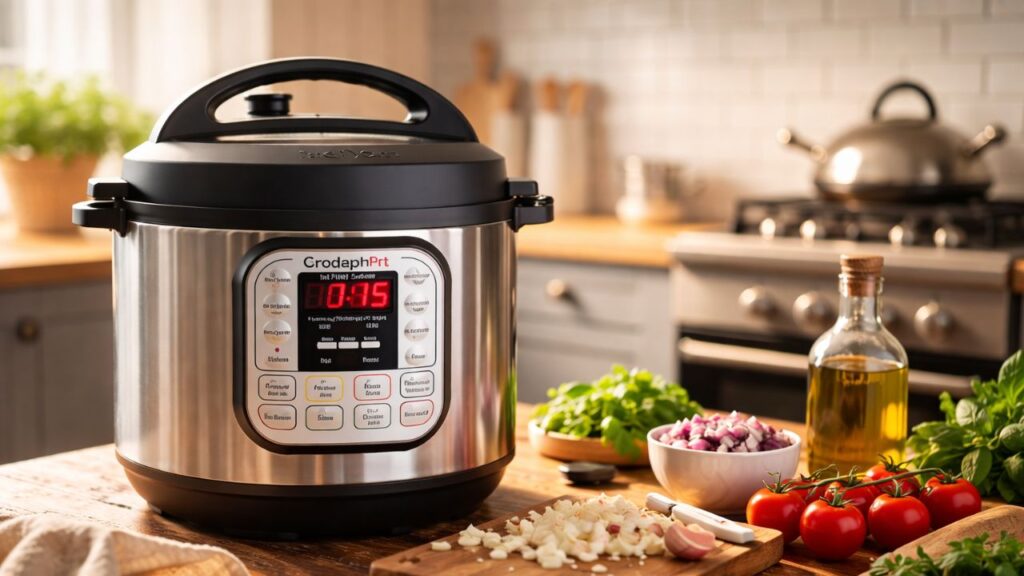
The battered pressure cooker still lingers on many back burners, worn but familiar, quietly reminding families of louder kitchens and closer attention. In more homes, however, it now shares space with a connected cooking device that hums softly, links to Wi-Fi, measures ingredients, and sends alerts when a meal is nearly finished. Some households see this shift as a modern blessing, while others view it as a subtle threat. Around the dinner table, the discussion grows heated: is full automation the future of safe family meals, or the slow end of hands-on home cooking?
From Whistling Valves to Silent Screens
On a rainy evening in Manchester, Emma scrolls her phone as her smart cooker works quietly nearby, displaying precise timing and a low overcook risk. Her visiting mother remembers something very different: steam, noise, and never leaving the kitchen unattended. To her, the silence feels unnatural. This contrast reflects a deeper divide, not about fuel or technology, but about instinct versus automation. While manufacturers highlight ease and convenience, surveys show many parents feel less weekday stress using these devices. Yet behind the numbers, emotions and identity are deeply involved.
Safety, Precision, and the Cost of Convenience
Smart cookers promise built-in safety, exact timing, and minimal thought. Sensors track pressure, heat, and lid position, easing fears of accidents or undercooked food. For busy parents, this means peace of mind and freedom to multitask. Still, something changes when a machine decides texture and timing. Traditional home cooking relied on tasting and adjusting, trusting smell and instinct. When an app handles those choices, cooks may feel either liberated or quietly displaced within their own kitchen.

The Human Rhythm Behind Real Cooking
Many people who avoid feeling controlled by their gadgets keep one manual ritual. They might brown onions first, marinate overnight, or finish a dish by hand. That single act creates a personal anchor, separating “my meal” from “machine output.” In a small French town near Lyon, three generations found balance: the cooker managed timing, while seasoning stayed human. The result kept childhood flavors intact with less stress. Automation, it turns out, doesn’t erase skill; it simply shifts where creative control appears.

When Presets Replace Decisions
The real risk is not using smart appliances, but letting presets replace every choice. When cooks stop asking curiosity-driven questions or experimenting with ingredients, creativity fades slowly. It doesn’t disappear suddenly; it withers quietly from neglect. Treating a device as an oracle rather than a tool can shrink confidence and curiosity. Skill remains possible, but only if cooks stay involved in flavor, balance, and final judgment.

Keeping the Machine Without Losing Yourself
It is possible to welcome smarter cookers without losing the feeling of real home cooking. Start by following a preset once, then change just one element the next time. Adjust liquid, spice, or oil, and note the result. Over time, the machine becomes an assistant, not a boss. Many frustrations come from unrealistic expectations and fear of failure. Yet cooking has always included mistakes; now, errors simply announce themselves with beeps.
Presence Matters More Than the Tool
No one cooks like advertisements every day. Life is rushed, energy is limited, and sometimes presets are enough. As food psychologist Laura Hobson notes, the real question is whether you still feel present in your kitchen or have fully handed control away. Simple habits help maintain that presence, keeping touch, smell, and intuition alive even with modern tools.
 Plank Hold Timing Explained: How Long You Should Hold a Plank to Build Core Strength at Every Age
- Smart doesn’t mean soulless: Use presets as a starting point and tweak one detail each time to retain ownership.
- One non-negotiable dish: Keep a recipe you never fully automate, preserving tradition and memory.
- Conscious time savings: Let machines manage risk and timing while you handle taste and attention.
What Families Really Debate
Arguments about old cookers and smart pots are rarely about hardware. They reflect concerns over time, attention, and meaning. For some, automation offers freedom and calm; for others, it feels like another screen invading a once-analog space. The future kitchen will likely blend both worlds: a smart device beside a stained recipe card, a relative tasting the sauce “just in case.” The warmth doesn’t come from the machine. It still comes from human choice and care.