
Anxiety has become a daily backdrop for millions, nudging sleep, work and relationships off balance. A huge new Swedish study suggests that moving your body can genuinely cut the risk of anxiety – yet the effect is not the same for everyone, and how hard you push, and why you exercise, appears to matter a lot.
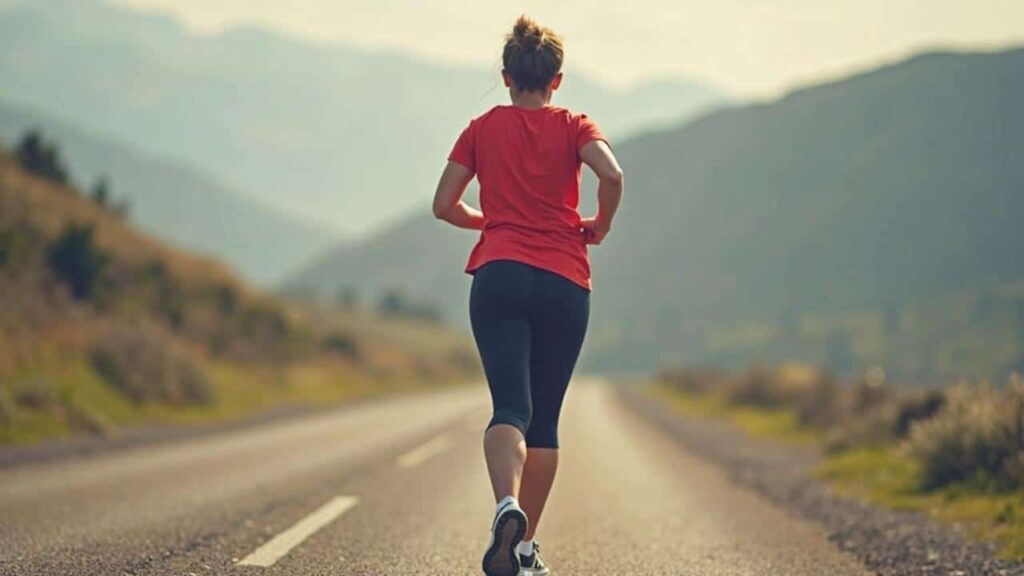
When anxiety hangs around even when life looks “fine”
Anxiety disorders often begin early, sometimes in the teenage years, and then stay for decades. They affect thoughts, emotions and the body. People living with persistent anxiety face higher odds of depression, chronic disease and a shorter life expectancy.
Treatments such as antidepressants and cognitive behavioural therapy can help many, but not all. Research consistently shows that in roughly half of cases, standard approaches fail to bring lasting relief. That gap has pushed scientists to hunt for additional tools that support mental health without relying only on medication.

Part of the challenge comes from the close, looping relationship between mind and body. Rapid breathing, tight shoulders, a racing pulse and churning stomach are not just side effects of anxiety. They can feed the fear, strengthen it, and convince the brain that danger is still present, even when nothing obvious is wrong.
 Michael Schumacher, the new separation
That physical discomfort often turns into avoidance. Someone who dreads the sensation of a pounding heart may skip stairs, sports or even social events. Over time, this reinforces the belief that the body cannot be trusted, which keeps anxiety firmly in place.
Why Swedish researchers turned to skiing for answers
To test how movement might change this picture, Swedish researchers turned to an unlikely dataset: a legendary cross-country ski race. The Vasaloppet is a 90 km endurance event that attracts thousands of amateur skiers every year and has done so for decades.
Scientists followed nearly 400,000 adults for 21 years, comparing people who had taken part in the race with those from the general population who had not. Both groups were similar in age and background, but their activity levels were clearly different.
Over two decades, those who completed the long-distance ski race were around 60% less likely to develop an anxiety disorder than non‑skiers.
This protective effect held up even when researchers removed early cases and people with other psychiatric diagnoses. The pattern appeared in both men and women, suggesting that regular, structured physical activity may build long-term resilience against anxiety.
The Swedish data line up with earlier work. A meta-analysis of 14 long-term studies already indicated that physically active people face a lower risk of developing anxiety disorders later in life. The new numbers give that idea extra weight, especially because the follow-up period was unusually long.
Inside the body: how exercise may calm an anxious brain
Scientists are still piecing together the biological story, but several mechanisms keep coming up.
- Stress hormone balance: Regular activity helps regulate cortisol, the main stress hormone, preventing it from staying high for too long.
- Lower inflammation: Chronic, low-grade inflammation is linked with anxiety and depression; exercise tends to reduce it.
- Brain plasticity: Movement boosts production of BDNF (brain-derived neurotrophic factor), a protein that supports neuron growth and flexible thinking, often reduced in people with anxiety.
- Better sleep and rhythm: Physical effort can stabilise sleep patterns, which strongly affect mood and worry levels.
By training the body to handle physical stress, exercise also teaches the brain that a fast heartbeat or short breath does not always signal danger.
That last point is crucial. Anxious people frequently interpret normal bodily sensations as threats. If you repeatedly feel your heart pound during a workout – and nothing terrible happens – your brain slowly updates its script. Over time, the same sensations during a stressful meeting or crowded train may feel less terrifying.
When intensity backfires: a troubling signal among high‑performing women
The Swedish ski study did not produce a simple “the more, the better” message. Within the female skiers, a surprising pattern appeared. Women who finished the 90 km race in the fastest times actually showed higher anxiety risk than women who skied more slowly.
For a subset of high‑performing women, intense physical effort seemed linked with greater, not lower, anxiety risk.
This effect did not show up in men. That sex difference has raised fresh questions about how expectations, pressure and body image might interact with exercise, particularly for women aiming for top performance.

Performance, perfectionism and the anxious athlete
Researchers suggest several explanations. Some women at the front of the race may already be more driven, perfectionistic or self-critical. Those traits are known to correlate with anxiety disorders. In that context, training hard might not be a soothing outlet, but rather another arena where they feel they must excel.
Other studies have highlighted a pattern called “exercise dependence” or compulsive exercise. This can appear in people who feel guilty or distressed when they miss a workout, who train despite injury, or who base their self-worth heavily on body shape and fitness metrics. Women with high anxiety about appearance seem particularly vulnerable.
That does not mean that running marathons or racing on skis is dangerous by itself. Instead, the Swedish findings point to the role of mindset. The same training plan can be grounding for one person and fuel anxiety for another, depending on motives and self-talk.
Moderate, regular and kind to yourself: what actually helps
For clinicians, the message is becoming clearer. Recommending movement is not enough. The style, intensity and psychological frame of the activity all shape its mental impact.
| Approach to exercise | Typical mindset | Likely effect on anxiety |
|---|---|---|
| Moderate, regular activity (walking, cycling, swimming) | Health, enjoyment, routine | Lower long-term anxiety risk, better sleep, more energy |
| Very intense training with strong performance goals | Perfection, ranking, strict self-criticism | Mixed effect: fitness improves, but worry and pressure may rise |
| Compulsive exercise | Fear of weight gain, guilt when resting | Higher risk of anxiety, burnout, and physical injury |
For many people, the sweet spot sits in the middle: movement that is challenging enough to feel satisfying but not so extreme that it dominates life or identity. A brisk daily walk, a few weekly runs, a local dance class or bikes rides with friends can all serve that role.
Practical ways to use movement against anxiety
The Swedish data cover elite-level endurance, but the underlying principles translate to everyday habits. Several strategies stand out for anyone wanting to use movement as a mental health tool.
- Think routine, not heroics: Three 30‑minute sessions a week of moderate effort – walking fast enough to feel slightly out of breath – already brings measurable benefits.
- Pair exercise with social contact: Joining a running group, yoga class or five‑a‑side team adds human connection, which itself helps ease anxiety.
- Notice body sensations safely: During workouts, pay attention to your heartbeat and breathing and label them as signs of strength, not danger.
- Mix intensity levels: Short, harder bursts can be useful, but anchor them with gentler sessions that genuinely feel relaxing.
When the goal shifts from “proving something” to “caring for myself”, exercise tends to support mental health rather than threaten it.
Mind–body practices that complement movement
The original French piece that discussed the Swedish study also pointed to simple mind–body techniques. These do not replace exercise but can sit alongside it.
One example is “box breathing”, a method where you inhale, hold, exhale and pause for the same number of seconds – often four. This regular rhythm signals safety to the nervous system and can quickly lower intense anxiety. Another approach is sensory grounding: focusing on what you can see, hear, touch, smell and taste in the environment, which pulls attention away from spiralling thoughts.
Used before or after a workout, these techniques may help the brain link bodily sensations with calm instead of alarm. For someone who fears a racing heart, practising slow breathing while walking at a gentle pace can be a first step towards feeling more at home in their own body.
When to be cautious and when to push a little
There are cases where professional advice is wise. People with panic disorder who are terrified of physical symptoms might benefit from working with a therapist or doctor when starting to exercise, so that exposure to those sensations is gradual and supported.
On the other hand, some anxious people underestimate what they can safely do. A supervised test on a treadmill or bike can show that the heart and lungs cope better than they fear. That evidence often loosens anxiety’s grip and gives confidence to move more freely.

The broader picture from Sweden is both reassuring and nuanced: movement really can lower the risk of anxiety, but the body is not a machine and the mind is not a passenger. Intensity, expectations and self-compassion all shape how each workout feels – and how much calmer life might become in the long run.
 Goodbye microwave as households switch to a faster cleaner device that transforms cooking habits
