Coincidence, or a sign?
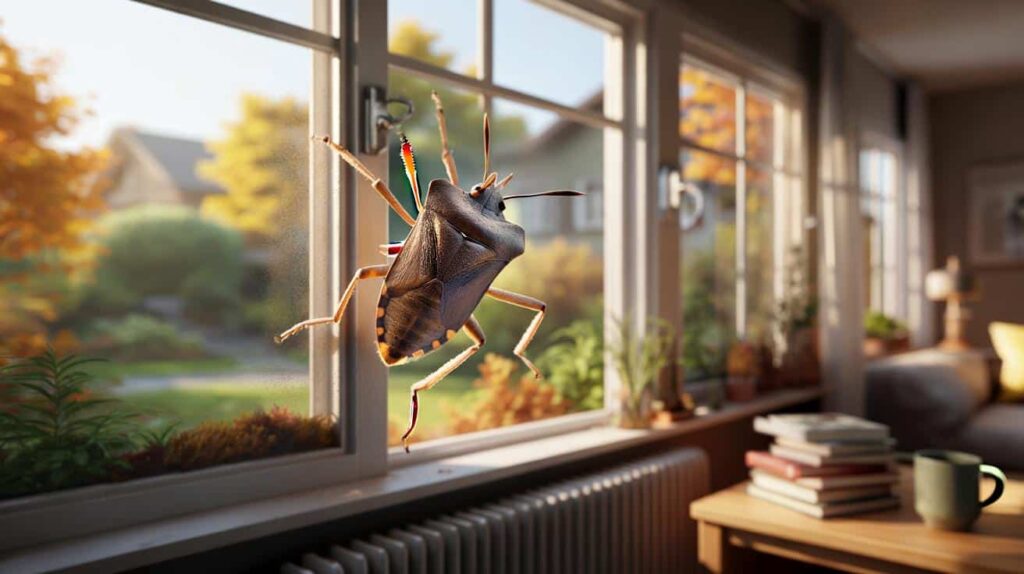
Across Europe and North America, more and more households are spotting brown stink bugs indoors, often in autumn. For some, it is just an unwelcome insect. For others, it is a tiny messenger loaded with symbolism about resilience, luck and the changing seasons.
What exactly is the brown stink bug?
When people talk about a “brown bug” in the house, they are usually referring to a shield-shaped insect often nicknamed the “brown marmorated stink bug” or, in French, the “punaise diabolique”. Its body is flat and angular, its shell hard, and its colour ranges from light tan to deep brown depending on the species.

This insect has a notorious defence strategy: when it feels threatened or crushed, it releases a sharp, lingering odour. That smell is not dangerous, but it is difficult to forget. The bug uses it to repel predators and, accidentally, to disgust homeowners.

Most of the time, the brown stink bug becomes visible indoors in late summer and autumn. As outdoor temperatures fall, it goes looking for a dry, warm place to ride out the winter. Houses, flats, and even office blocks become accidental refuges.
The brown stink bug is not a health threat for humans, but it is a determined seasonal squatter looking for warmth and safety.
Why are brown stink bugs turning up in your home?
From a biological standpoint, the explanation is simple: survival. These bugs are cold-sensitive. When evenings turn chilly, they start migrating from gardens, hedges and fields towards sheltered spaces. Small cracks in brickwork, gaps around windows and doors, and roof tiles provide the perfect gateway.
In temperate regions, where seasons are sharply defined, this behaviour is especially visible. One day the garden is full of insects, and the next, they appear on curtains and window frames. They often hide behind radiators, under furniture or inside shutters, remaining still for long periods.
This tenacity fuels the feeling that their presence is not random. People notice that the same windows attract them each year. Families talk about the “return” of the autumn bug as if it were a calendar mark, blending natural behaviour with human meaning.
The climate factor
Changing climate conditions can also influence their spread. Milder winters and warmer springs in parts of Europe and the US help these insects expand their range and survive in larger numbers. That means more chances of seeing them indoors, especially in urban areas where buildings store heat.
- They move indoors when temperatures drop quickly outdoors.
- They prefer sunny façades and warm, south-facing walls.
- They slip in through gaps around windows, doors and roof joints.
- They seek quiet, undisturbed corners to overwinter.
Spiritual and symbolic meanings of a brown stink bug
A tiny emblem of resilience
Beyond biology, brown stink bugs have gained an unexpected reputation as spiritual symbols. In many households, spotting one in the living room or bedroom is seen as something more than a random visit. The insect is often associated with resilience and adaptability.
The bug survives tough conditions, hides patiently, and waits for the right moment to move again. For some, this mirrors human challenges: enduring financial problems, emotional struggles or professional uncertainty. The insect appears like a reminder that patience and consistency can help withstand adversity.
For many people, a brown stink bug at home is seen as a quiet nudge to stay patient, steady and adaptable.
Its slow, deliberate movements, and habit of staying motionless for long periods, suggest calm and order rather than chaos. Some spiritual interpretations say the insect encourages a person to organise their life, stick to routines and respect natural cycles instead of constantly fighting them.
Messages about prosperity and stability
Certain folk traditions associate the brown stink bug with domestic prosperity. According to these beliefs, the insect is a discreet guardian of the household, linked to material stability and protection of possessions.
In that context, killing the insect is sometimes seen as bad luck. Letting it leave peacefully or gently relocating it outside is thought to “preserve” that symbolic protection. While these interpretations have no scientific basis, they shape how many people react when they see the bug on their wall: annoyance mixed with hesitation.
Some spiritual circles even connect the appearance of these insects with lunar phases or personal cycles of abundance and scarcity. A bug seen around a new moon, for instance, might be read as a sign to review spending habits, re-think work projects or tidy paperwork linked to money.

Old beliefs and modern superstitions
Brown bugs in the house have inspired stories for generations. In rural communities, they were sometimes seen as weather omens, predicting a harsh winter when they appeared in large numbers at the end of the summer. Others treated them as guardians of thresholds, drawn to doors and windows as if checking the home’s boundaries.
Superstitions vary, but several themes recur:
| Belief | Symbolic meaning |
|---|---|
| Do not crush the bug indoors | Avoids misfortune and unpleasant energy, besides the smell |
| Let it leave on its own or carry it out | Shows respect for natural messengers and household harmony |
| Multiple bugs at once | Sign of a coming change of season or shift in personal life |
These ideas persist partly because the bug is so visible and peculiar. It looks armoured, moves slowly, and reacts dramatically when disturbed. That makes it easy to cast as a symbolic character in family stories, passed down alongside weather lore and tales about eclipses or “blood moons”.
What should you do if you find a brown stink bug at home?
From a practical point of view, there is no reason to panic. Brown stink bugs do not sting humans, do not transmit disease, and do not attack your furniture. In large numbers they can damage garden crops, fruit trees and some ornamental plants, but a lone insect in the kitchen is not a crisis.
Still, many people prefer not to share their living space with them. A calm, simple routine is enough:
- Open a window and gently shoo the insect out using a sheet of paper or a glass.
- Avoid crushing it, as this releases the persistent smell.
- Seal obvious cracks around frames, skirting boards and pipes with filler or weatherstripping.
- Clean window sills, radiator areas and behind furniture, where they like to hide.
- Use fine mesh screens on windows in regions where the insect is common.
Relocating the bug outdoors allows you to respect both superstition and hygiene, without turning your home into an insect hotel.
These habits reduce future visits and create a sense of order at home. Many people say that acting calmly rather than reacting with fear changes the whole atmosphere: the insect becomes a minor guest, not a crisis.
How meaning and science can coexist
For some residents, the brown stink bug is just a pest; for others, a symbol loaded with personal meaning. These views do not necessarily clash. The insect can be both a winter refugee and a personal reminder at the same time.
Seeing one on a stressful day might prompt a pause: where am I pushing too hard, and where could I wait things out, as this insect does? Not because the bug “knows” anything about your finances or relationships, but because humans naturally build stories around patterns in nature.
Everyday scenarios where it becomes a sign
Imagine finding one of these bugs just as you start a big clear-out of your home. Some people would take it as a sign to tackle the task slowly, sorting step by step instead of throwing everything out in frustration. The insect’s slow pace contrasts with the modern rush to fix everything instantly.
Or picture a student revising for exams in a tiny flat. A brown bug appears near the desk lamp. In some families, that could be read as a small omen of perseverance: stay focused, manage energy carefully, and remember that results often show up later, just as insects reappear each season.
Key terms and useful distinctions
The brown stink bug is sometimes confused with bedbugs, which are a genuine problem. The two are very different:
- Brown stink bugs are shield-shaped, larger, and often sit near windows or on walls.
- Bedbugs are smaller, more rounded, reddish-brown, and typically hide in mattresses and bed frames.
- Stink bugs are outdoor plant feeders; bedbugs feed on human blood.
Understanding this distinction helps reduce unnecessary alarm. A single brown stink bug on the curtains points to seasonal migration, not a hidden infestation in the mattress.

Viewed through science, the insect is a hardy survivor seeking warmth. Viewed through symbolism, it is a quiet emblem of persistence, order and seasonal change. Both readings shape the way people react when that small brown shield appears on the living-room wall.