
On Maple Crescent, the trouble started with a peach. One August evening, while the street hummed with barbecues and kids on scooters, a landlord quietly swung his leg over a low wooden fence and stepped into his tenant’s garden. He didn’t knock. He didn’t call out. He just walked straight to the tree, picked three sun‑warm peaches, slipped them into a plastic bag, and headed back to his car as if nothing had happened.
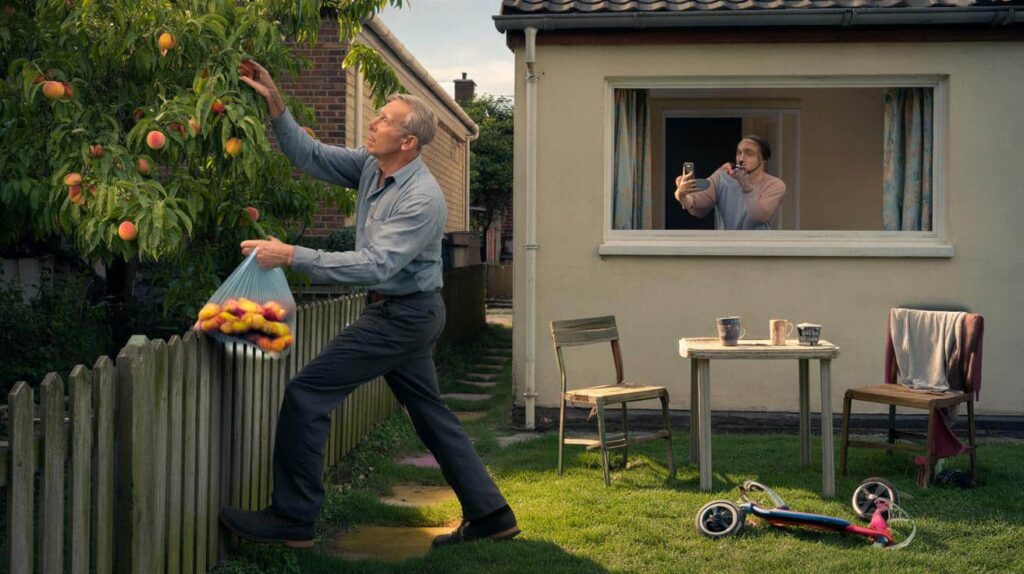
From the upstairs window, the tenant froze, phone in hand, filming.
By the next morning, the video was on the local Facebook group. The street split in two.

When the fence stops being a line and becomes a fault line
On one side, you’ve got the “It’s his house, his tree, what’s the problem?” people. On the other, those who react viscerally: “If my landlord did that, I’d call the police.” Between those two camps, a simple wooden fence suddenly looks a lot like a border.

This is the grey zone where ownership and privacy collide. The law is often dry and technical, yet what people feel when they see someone step into “their” space is anything but.
Especially when that someone holds the keys to your home and your future lease.
The Maple Crescent case isn’t unique. Similar stories bubble up regularly across the UK, the US, Canada, Australia. A landlord uses a spare key to enter a flat “just to check the boiler.” Another crosses a back garden to “trim my hedge” while the tenant sunbathes. A third harvests apples from a tree that arches over both sides of a boundary.
Each time, the same pattern: a short, shaky video, an angry caption, hundreds of comments.
Lawyers weigh in with tenancy statutes, landlords cry “My property!”, tenants shout “My home!” and the quiet tension of everyday renting is suddenly dragged into the spotlight.
Strip away the legalese, and the core is brutally simple. The landlord owns the building and the land. The tenant rents the right to live there in peace, without interference. Those two truths rub up against each other the moment a foot crosses a fence, a key turns in a lock uninvited, a hand reaches for fruit in “your” garden.
It hits something primal: the feeling that home is the one place you shouldn’t have to share with someone else’s sense of entitlement.
How to draw the line when the person on the other side owns the place
The first real tool in this kind of conflict isn’t the law. It’s a clear, boring, utterly unsexy conversation before anyone feels violated. When you sign a lease and walk through the property, this is the perfect awkward moment to talk boundaries. Who mows which side of the lawn. Who picks the fruit. When the landlord can come into the garden. Whether you’re OK with them accessing sheds or side paths without warning.
Spoken out loud, these details sound almost petty.
Left unsaid, they grow teeth.

When that line has already been crossed, the hardest part is to react without losing your footing. Rage‑posting the video, threatening legal action in capital letters, blasting your landlord’s name in local groups: it feels good for about three minutes. Then comes the fallout. A frosty relationship. Repairs that suddenly “take longer.” A tenancy that quietly doesn’t get renewed.
We’ve all been there, that moment when you replay the scene in your head and think, “I wish I’d said something calmly, right then.”
So you start smaller: a message describing what you saw, how you felt, and how you want visits handled in future. One clear request. One line in the sand.
“I know you own the property,” one Maple Crescent tenant wrote in a text to her landlord, “but when you walked into the garden without asking, it felt like you walked into my life without being invited. I need you to treat the fence as a real boundary, not just a bit of wood.”
- Write it down: Follow up any talk with a short email summarising what was agreed about access and the garden.
- Keep dates and photos: A simple folder on your phone with times, dates, and pictures if lines are crossed again.
- Know your rights locally: Tenancy laws differ wildly by country and even by state or region, so a quick check can change everything.
- Use neutral words: “I” phrases and plain descriptions land better than accusations and labels.
- Decide your red lines: For some, unannounced garden visits are annoying. For others, they’re a deal‑breaker to start planning a move.
The peaches were never just peaches
The Maple Crescent landlord swears he didn’t mean any harm. He planted the tree ten years ago, long before the current tenants arrived. He pays the mortgage, he pays the insurance, the garden is technically on his title plan. To him, hopping the fence for a few peaches felt like watering a part of his investment.
To the tenants, it felt like being reminded, in the most physical way, that their home isn’t really theirs. *That someone else can step into their quiet moments without warning, because a piece of paper says they can.*
Neighbours on the street still argue about who was right. Some talk about “respect” and “common sense.” Others throw around big words like “trespass” and “quiet enjoyment.” Children keep playing football, occasionally stopping to grab a peach from the same tree, unconcerned by contracts and boundaries.
What lingers is a shared discomfort. If a landlord can cross a fence for fruit, can they cross it to “just check” who’s in the garden? To see if you’ve put up a trampoline. To peek at whether you’re secretly keeping a cat.
Let’s be honest: nobody really reads every page of their lease or revisits boundaries once the keys change hands.
This is what makes the story so sticky far beyond one little street. Almost everyone has been on one side of this fence, and many have stood on both. Landlords who once rented. Tenants who later bought. People who know, deep down, that living on top of each other in dense towns and cities requires a strange mix of law, courtesy and gut feeling.
The line between “my property” and “your privacy” isn’t going away. It will keep shifting with each new camera phone, each new law, each new landlord climbing or not climbing a fence.

The real question is less about who owns the peach tree, and more about how we share space without forgetting the human on the other side of the fence.

| Key point | Detail | Value for the reader |
|---|---|---|
| Clarify boundaries early | Discuss garden access, fruit, sheds, and visit rules when signing the lease | Reduces future conflicts and awkward surprises |
| React calmly but firmly | Describe what happened, how it felt, and what you expect next time | Protects your privacy without escalating the situation too fast |
| Document and know your rights | Keep written records, photos, and check your local tenancy laws | Gives you leverage if the behaviour repeats or turns into harassment |
FAQ:
- Question 1Can my landlord legally enter my garden without asking?
- Question 2What should I do the first time a landlord crosses the fence?
- Question 3Can I stop my landlord from taking fruit from “their” tree in my rented garden?
- Question 4Does filming my landlord in the garden break privacy rules?
- Question 5When does a boundary issue become harassment or a reason to leave?
