
The woman in front of me at the supermarket was frozen in place, staring at a shelf of vegetables as if it were a multiple-choice exam. Cabbage, broccoli, cauliflower. Three price tags, three shapes, three colors. She sighed, grabbed a plastic-wrapped cauliflower, then put it back to reach for broccoli. “Healthier, right?” she mumbled to herself. The funny thing is, almost nobody around her knew the strangest truth about that shelf. Not the young guy bagging carrots. Not the dad loading frozen pizzas. Probably not the nutrition label enthusiast scrolling on his phone.
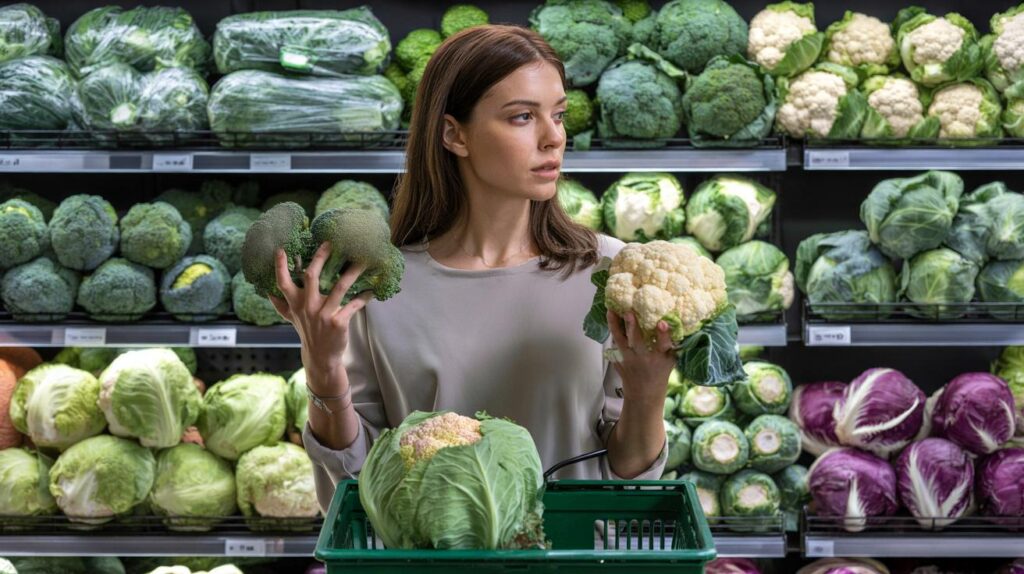
Because in that single meter of refrigerated metal, she was looking at just one species in three different costumes.
Same plant. Different personalities.
 Meteorologists warn early February could mark the beginning of an Arctic destabilization event
Wait, cauliflower, broccoli and cabbage… are siblings?
Walk into any grocery store and you’d swear cauliflower, broccoli, and cabbage are distant cousins at best. One looks like a brain made of snow, one is a tiny green forest, and the other is a crumpled ball of leaves that smells like Sunday lunch at your grandparents’ place. They sit there in separate bins, labeled as if they have nothing to do with each other.

Yet botanists quietly file them under the very same name: Brassica oleracea. One species, many faces.
Think of them like dog breeds. A Chihuahua, a Great Dane, and a husky don’t look alike, but they’re all the same species. Gardeners hundreds of years ago did something similar with wild cabbage. Along rocky coasts of Europe, a tough, salty plant grew with thick leaves that survived wind and spray. People started saving seeds from plants with bigger leaves, tighter heads, fatter buds. Over generations, those small choices exploded into what we now call cabbage, kale, broccoli, Brussels sprouts, and cauliflower.
Same wild ancestor, wildly different results.
What changed wasn’t the species, but which part humans fell in love with. For cabbage, farmers selected plants whose leaves wrapped tighter and tighter, until they formed that dense ball you slice for slaw. For broccoli, they favored those with chunky, swollen flower buds and thick stems. For cauliflower, they pushed this even further, breeding for compact, pale flower heads that never really open. The plant’s DNA stayed close enough to still be one species. Our preferences sculpted the rest.
This is the quiet power of human taste, playing god with one stubborn coastal plant.
How to actually use this in your kitchen (and your life)
Once you see these vegetables as one big family, your kitchen gets weirdly easier. Suddenly, recipes stop being rigid and start becoming flexible. No broccoli for your stir-fry? Use cauliflower florets, cut a little smaller. No white cabbage for your salad? Fine, shred broccoli stems or even raw cauliflower into tiny crumbs.
You’re not “breaking” the recipe. You’re just swapping one part of the same plant for another version of itself.

A lot of us feel low-key guilty when vegetables rot in the drawer. We buy a whole head of cauliflower, use half for a roast, then avoid the rest until it quietly dies behind the yogurt. The mental trick of seeing these as one species can soften that guilt. That lonely bit of cabbage? It can jump into a pan where broccoli was supposed to go. Those thick broccoli stems you usually toss? Peel them and slice thinly, they behave like a crunchy, mild cabbage in slaws or quick pickles.
Let’s be honest: nobody really does this every single day. But even once a week changes the game.
“When people realize that cauliflower, broccoli, cabbage, Brussels sprouts and kale are all the same plant, they stop treating them as fragile, special items,” says a Paris-based vegetable grower I interviewed. “They start cooking them like staples, the way their grandparents did with potatoes.”
- Think in “parts”, not names
Leaves = cabbage and kale. Fat stems = broccoli. Dense heads = cauliflower. Swap by texture, not label. - Use the whole thing
Stems in soups, leaves in sautés, florets or heads for roasting. Less waste, more meals. - Buy what’s cheapest that week
If cauliflower is pricey, pick cabbage or broccoli. Nutritionally, they’re all on the same team. - Mix family members
Shred cabbage, toss in broccoli stems, add roasted cauliflower on top. One bowl, one species, new flavors. - Ignore perfection
A slightly spotty cauliflower or floppy cabbage leaf is still fine cooked. Your pan does not care.
One plant, many stories on your plate
Once you know that cauliflower, broccoli, and cabbage all come from the same rugged coastal plant, those supermarket shelves start to look different. You’re not just picking between three separate vegetables. You’re choosing which chapter of the same story you want to cook tonight: leaves, stems, or flower buds. The science behind it is neat, sure, but the real impact shows up later, when you’re standing in your kitchen at 7:43 p.m., tired, hungry, and wondering what on earth to do with half a head of something.
That’s when this quiet little fact becomes useful, almost comforting.
You can roast cauliflower like you’d roast broccoli. You can pan-fry cabbage in strips until it becomes sweet and golden, just as you would with the stems of broccoli. You can slice everything thin and turn the whole family into a crunchy slaw with lime and olive oil. There’s no right or wrong here, just textures you like and flavors you want to coax out. *Once you stop treating vegetables like strangers, the fridge feels less like a guilt museum and more like a toolbox.*
Maybe that’s the real invitation hiding in this botanical twist. Not just to be amazed that cabbage and cauliflower are siblings, but to see food as something more fluid, more forgiving. To cook with what you have, not what a recipe demands. To waste a little less, experiment a little more, and tell yourself, “It’s all the same plant anyway, let’s see what happens.”

And if you find yourself staring at that supermarket shelf one day, you might smile. Because you’ll know that behind the neat labels and different shapes, there’s only one stubborn species quietly playing dress-up for your dinner.

| Key point | Detail | Value for the reader |
|---|---|---|
| One species, many vegetables | Cauliflower, broccoli, cabbage and their “cousins” all come from Brassica oleracea | Changes how you shop and think about variety |
| Swap by texture | Use leaves, stems, or florets interchangeably depending on recipe | Makes cooking more flexible and less stressful |
| Use the whole plant | Stems, leaves and heads all have culinary uses | Reduces food waste and stretches your budget |
FAQ:
- Are cauliflower, broccoli, and cabbage really the same species?Yes. They are all cultivated varieties of the species Brassica oleracea, shaped over centuries by selective breeding for different plant parts.
- Does that mean they have the same nutrients?They share a similar nutrient “family profile” — lots of fiber, vitamin C, and beneficial plant compounds — but exact amounts vary depending on the variety and how you cook them.
- Can I replace broccoli with cauliflower in recipes?Usually yes. The flavor is a bit milder with cauliflower, so you might add more seasoning, but the texture in stir-fries, roasts, or soups will be very close.
- What about cabbage — can it go where broccoli was planned?In many cooked dishes, yes. Shredded cabbage can work in stir-fries, sautés, or soups, especially if you give it enough time to soften and caramelize slightly.
- Are other vegetables part of this same “family plant”?Yes: Brussels sprouts, kale, kohlrabi, and some types of collard greens are all Brassica oleracea too, just different forms bred from the same wild ancestor.
