Used coffee grounds, once destined straight for the bin, are now being reused in bathrooms, kitchens and gardens. The trend promises less reliance on harsh chemicals and a small but real cut in household waste.
Why people are putting coffee grounds in the toilet
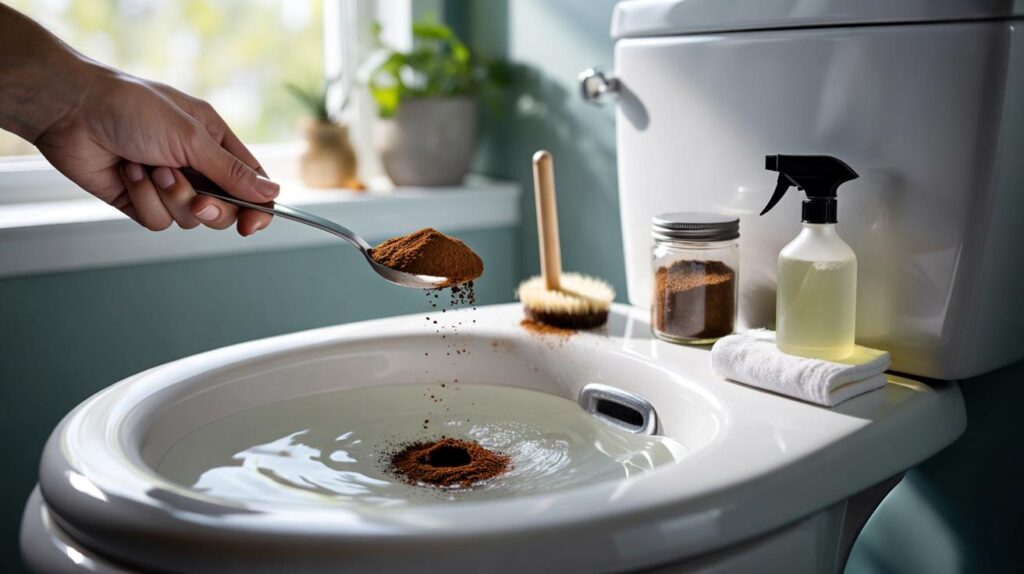
The latest viral hack suggests that a spoonful of used coffee grounds in the toilet can help freshen the bowl and even scrub away light stains. The idea is simple: take grounds that would normally be thrown away and use their texture and smell for a quick clean.
The grains act as a gentle abrasive, a bit like a very mild scouring powder. When swirled around the bowl with a toilet brush and flushed with plenty of water, they can help loosen simple grime from ceramic surfaces.

One spoonful of coffee grounds in the toilet can work as a soft scrub and a short-term odour mask, not as a full cleaning solution.

The strong aroma of coffee also plays a role. For a short period after use, it can help mask unpleasant odours in the toilet or nearby drain. That has made the hack popular on social media, where quick scent fixes travel fast.
The plumbing risk nobody shows on TikTok
Plumbers are less enthusiastic. Wet coffee grounds have a tendency to cling to the inside of pipes, especially at bends and joints. When they mix with soap residue, paper and everyday dirt, they can form a sticky layer that slowly narrows the pipe.
Older properties with narrow or already worn pipes are particularly vulnerable. Over time, repeated dumping of grounds down the toilet or sink can help trigger slow drainage or full blockages.
Coffee grounds should be treated as solid waste: helpful for cleaning when handled correctly, but safest when the residue ends up in the bin, not the drain.
For this reason, many plumbing specialists suggest using coffee grounds on a sponge or cloth to clean ceramic surfaces, then throwing the used mixture away in the rubbish, not flushing it.
How to use coffee grounds in the bathroom without wrecking the pipes
Used cautiously, coffee grounds can have a place in the bathroom routine. The key is small amounts and thorough rinsing.
- Use no more than one tablespoon of damp grounds at a time.
- Apply them directly to the toilet brush or a soft sponge, not poured loose into the bowl.
- Scrub stained areas gently, especially around the waterline.
- Rinse with plenty of water and flush once or twice to move grains away from the bowl.
- Avoid using this method every day; keep it for occasional refreshes.
The less often coffee grounds reach your plumbing, the lower the chance they will cling, build up and cause problems.
For persistent limescale, coffee grounds will not replace proper cleaning products. They work best as a light helper between deeper cleans, not as the only method.
Beyond the toilet: where coffee grounds really shine
In the kitchen as a gentle scrub and odour neutraliser
In the kitchen, used grounds have a much safer stage. Their light abrasive power helps dislodge stuck-on food from pans, grills and baking trays.
| Use | How coffee grounds help |
|---|---|
| Cleaning pans and trays | Act as a mild scrub to loosen food residues when mixed with water or washing-up liquid. |
| Removing smells from hands | Reduce odours like onion or garlic after cooking when rubbed gently on wet skin. |
| Refreshing chopping boards | Help lift light stains and smells, as long as the surface is not easily scratched. |
To clean cookware, most home users follow a simple sequence:
- Scrape away loose food first.
- Sprinkle one or two teaspoons of grounds onto the surface.
- Add a little water or washing-up liquid.
- Scrub with a soft sponge or brush, not with steel wool on delicate coatings.
- Rinse thoroughly until every grain is gone.
One caution: non-stick pans and polished steel can scratch. On those, coffee grounds should be used very lightly, if at all.
As a natural odour absorber around the home
When fully dried, coffee grounds absorb smells from the air. That makes them useful in enclosed spaces such as fridges, shoe cupboards and wardrobes.
Dry coffee grounds work as a simple home-made deodoriser, but they need air circulation and regular replacement to stay effective.

For this role, the grounds must be completely dry. Damp grounds in closed spaces can grow mould. Households usually spread the used grounds on a tray to dry, then place them in a small bowl, cup or fabric bag.
Every few weeks, the contents should be thrown away and replaced, as the grains gradually lose their ability to hold smells.
Why gardeners are also saving their coffee
Gardeners have been reusing coffee grounds for longer than social media has existed. The material contains modest amounts of nitrogen, potassium and phosphorus, along with trace minerals, which can gently enrich soil when used in moderation.
Grounds are often added to compost heaps, where they mix with kitchen scraps and garden clippings. In that context, they break down as part of a wider blend rather than forming a dense layer on their own.
- As a light booster in compost, mixed with leaves and food waste.
- Blended into potting soil for a mild nutrient lift.
- Sprinkled in thin rings around beds as a possible deterrent to slugs and some insects.
- Used sparingly around ornamental plants, never as a thick carpet over roots.
Some gardeners also report that cats dislike the smell and feel of grounds, making them less likely to dig in certain beds. Evidence is mostly anecdotal, but many households say it helps when combined with other deterrents.
Too many coffee grounds around a plant can compact the soil and limit root growth, so light use and mixing with other material matters.
What “used” coffee grounds actually are
Used grounds are the remains of ground coffee after brewing. They still contain organic material, oils and minerals. Their grain size, moisture level and age all change how they behave.
Fresh, wet grounds clump easily and may stain porous surfaces. Dried grounds are less messy and better for odour control. Old grounds left wet can develop bacteria and mould, making them unsuitable for cleaning or near food.
When coffee grounds are a bad idea
There are situations where that handy spoonful of grounds is better left out. In very old plumbing systems with frequent blockages, any solid waste that does not break down quickly adds to the risk. In those homes, grounds should stay away from toilets and sinks entirely.
Delicate materials also need protection. Marble, certain plastics and high-gloss coatings can scratch or stain if rubbed with dark, gritty material. Patch testing on a hidden corner can prevent damage.
For people with sensitive skin, rubbing coffee grounds directly on hands or arms can cause irritation. Gloves reduce the risk, especially if the grounds are still slightly warm or oily.
Practical combinations that make sense
Many households pair coffee grounds with other simple materials. For example, grounds plus a small amount of washing-up liquid can clean greasy trays without resorting to strong chemical degreasers. In the bathroom, a pinch of grounds with standard toilet cleaner helps scrub without using more product.
In the garden, mixing grounds with dry leaves, shredded cardboard and vegetable peelings helps balance moisture and structure in compost. This reduces the chance of clumping while still adding nutrients.
Used thoughtfully, coffee grounds become one more small tool in a wider kit of low-cost, low-waste habits at home.

The trend of tossing a spoonful into the toilet hints at a broader shift: people want quick tricks that feel sustainable. The real gains come when those tricks are matched with a clear understanding of where coffee grounds help, where they harm, and where the bin is still the best final stop.