
It’s around 7:30 in the morning. The kitchen is quiet, not fully awake yet. You stand near the counter, waiting for the kettle to finish its low, patient hum. Your hand reaches for something small, almost without thinking. A single date, soft from the jar, slightly sticky between your fingers.
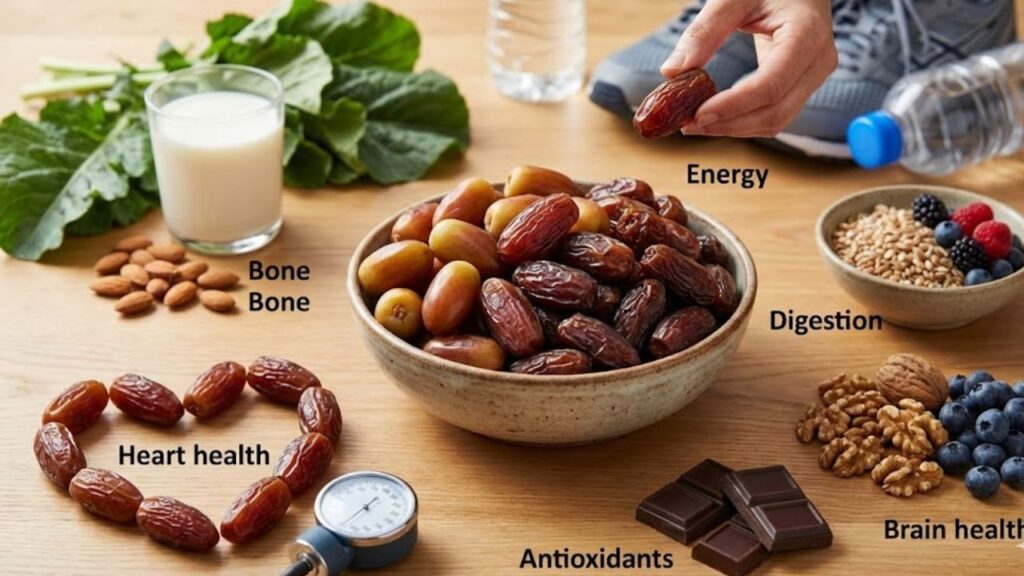
You eat it slowly. Not as a ritual, not as a rule. Just because it’s there. Because it feels familiar. Sweet, but not loud. Gentle, but grounding.
Moments like this have a way of slipping past unnoticed. Yet they often say more about how life feels now than any headline or health advice ever could.
 How to cool a room with ice cubes?
As the years move on, you may notice that your body responds differently to food. Not dramatically, not overnight. Just subtly. You feel energy dip faster, digestion takes its time, and certain foods that once felt neutral now feel heavy or sharp. It’s not that you’re doing anything wrong. It’s that your body is speaking in a quieter, more specific language.

This is where dates often reappear in people’s lives — not as a trend, but as a return.
Many people describe a quiet sense of being slightly out of sync as they age. Meals feel rushed or oddly unsatisfying. Snacks feel necessary but disappointing. You eat, but don’t always feel nourished. You rest, but don’t always feel restored. It’s not illness. It’s not decline. It’s a mismatch between what the body now prefers and what habit keeps offering.
Dates sit gently in this space.
They don’t announce themselves as a “superfood.” They don’t demand attention. They simply offer steadiness. A kind of slow reassurance that feels especially welcome when the body no longer enjoys extremes.
At their core, dates are simple. They are dried fruit, concentrated by time and sun. That concentration matters. As moisture leaves, what remains becomes dense — not heavy, but rich. Natural sugars are paired with fiber. Minerals remain intact. Nothing is rushed.
This balance is part of why dates feel different from many sweet foods. The sweetness arrives gradually. It stays. It doesn’t spike and vanish. For a body that prefers predictability now, this matters more than it once did.
There’s also something about the texture. Soft, yielding, easy to chew. For people who notice subtle changes in digestion or dental comfort, this ease is not small. It removes friction. And when eating becomes easier, it often becomes calmer.
Meena, 62, keeps a small bowl of dates near her afternoon chair. She doesn’t count them. She doesn’t plan them. She says they help her feel “less hollow” between lunch and dinner. Not fuller. Just steadier.
What’s happening inside the body during moments like that is surprisingly simple. As we age, the way we manage blood sugar becomes less flexible. Big swings feel harder. Long gaps feel louder. Fiber slows digestion, helping energy release at a gentler pace. Natural sugars paired with minerals feel less demanding than refined ones.
Dates also carry potassium and magnesium — minerals involved in muscle relaxation, nerve signals, and fluid balance. No need to memorize that. You may simply notice fewer small cramps, a calmer afternoon, or less urge to reach for something sharp and quick.
There’s also the digestive side of things. Fiber supports regular movement, but in a way that doesn’t push or provoke. For many people over 50, comfort matters more than efficiency. Dates tend to respect that.
 What are the health benefits of bananas?
Emotionally, dates often hold meaning too. They are associated with care, hospitality, and patience in many cultures. They are offered slowly. Shared easily. That sense of being looked after — even by yourself — can quietly soften the nervous system.
None of this means dates are a solution or a prescription. They don’t fix ageing. They don’t promise vitality. What they offer is alignment. A food that meets the body where it is, instead of asking it to perform.
People who enjoy dates often describe subtle shifts. Fewer urgent cravings. A calmer relationship with sweetness. Less internal negotiation around snacks. These are not dramatic outcomes, but they are meaningful ones.
If dates find their way into your day, it’s usually in small, unforced ways:
- One date with morning tea instead of a biscuit
- A couple of dates after a walk, before hunger sharpens
- Chopped dates stirred into yogurt or porridge for warmth and texture
- A single date in the evening when the body wants comfort, not a meal
These aren’t strategies. They’re allowances. Ways of responding rather than controlling.
“I stopped asking food to energize me and started asking it to sit with me.”
This shift in relationship is often the real benefit. Dates don’t demand discipline. They invite attentiveness. You notice how much is enough. You notice when sweetness feels satisfying rather than stimulating.
Over time, this kind of listening builds trust. Not in the food, but in your own signals. Hunger becomes quieter. Satisfaction lasts longer. Eating becomes less about correction and more about care.
There’s also permission here. Permission to enjoy sweetness without justification. Permission to choose foods that feel kind rather than impressive. Permission to accept that the body’s priorities change — and that this is not a loss.
Ageing often asks for fewer extremes and more continuity. Dates fit that rhythm. They don’t interrupt the day. They support it.
In the end, the health benefits of dates are not only about nutrients or digestion. They are about harmony. About choosing something that moves at the same pace you do now.
You don’t need to eat them every day. You don’t need to think about them at all. But when you do reach for one — quietly, without ceremony — it can feel like a small agreement between you and your body.

Nothing to fix. Nothing to prove. Just something that fits.

| Key point | Detail | Value for the reader |
|---|---|---|
| Gentle energy | Natural sugars paired with fiber release slowly | Steadier afternoons without sharp highs or lows |
| Digestive comfort | Soft texture and supportive fiber | Less strain, more ease after eating |
| Mineral support | Contains potassium and magnesium | Subtle support for muscles and calmness |
| Emotional satisfaction | Naturally sweet without feeling excessive | Reduced cravings and quieter food decisions |
| Alignment with ageing | Matches slower, steadier body rhythms | A sense of permission and acceptance |
