In recent years, psychologists have explored the power of looking ahead and its profound impact on mental well-being. A growing body of research suggests that structured “positive anticipation” can boost mood and motivation. This forward-thinking strategy activates key brain systems linked to reward and pleasure, improving mental resilience and emotional health. Instead of just dwelling on the present, the practice of envisioning positive future events appears to unlock deeper motivation and focus, leading to a happier, more engaged life.
The Science Behind Positive Anticipation and Dopamine
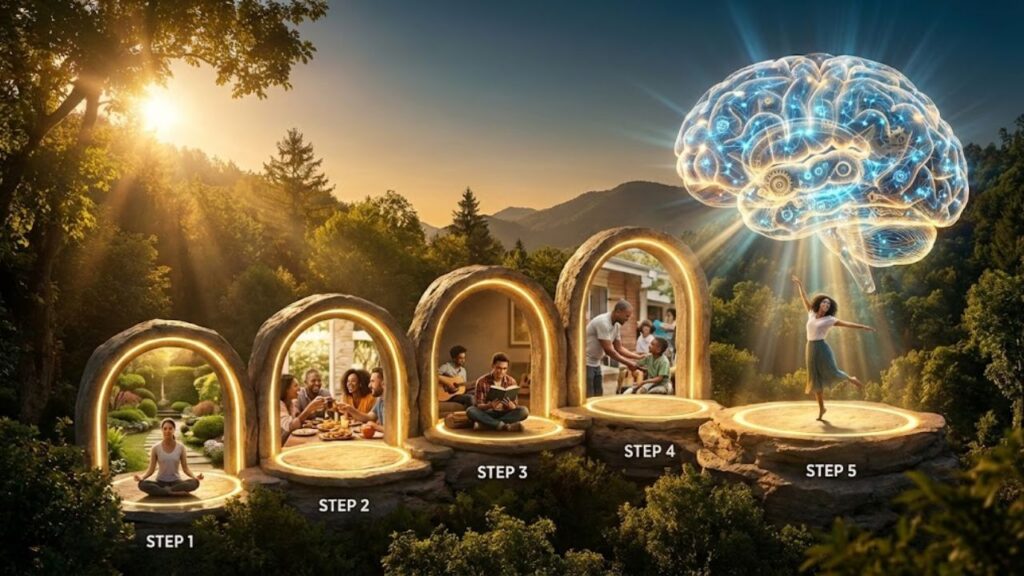
Psychologist Jennifer Vilhauer, writing for Psychology Today, delves into the science of positive anticipation. She explains that imagining upcoming positive events in vivid detail can trigger the brain’s reward systems, releasing dopamine—the “pleasure chemical.” Dopamine plays a key role in not only giving us pleasure but also in enhancing our focus, perseverance, and drive. Rather than waiting for the event itself, anticipating it can bring a sense of joy and satisfaction as if the event is already happening. This unique mental simulation helps boost motivation, productivity, and overall emotional health.
Practical Steps for Building Positive Anticipation
Creating positive anticipation in your life involves intentional actions and strategies. The first step is simple but effective: schedule enjoyable activities regularly. Having something to look forward to each week—whether it’s a coffee with a friend, a walk in the park, or a cozy night in—helps break the monotony and lifts your mood in advance. Studies show that even small, achievable plans can significantly enhance motivation and patience, making stress easier to manage. The key is realism: opt for experiences that fit your current circumstances rather than fantasizing about unattainable goals.
Reaching Your Bigger Goals with Positive Anticipation
While short-term plans boost mood in the near future, it’s also essential to focus on long-term aspirations. Creating an aspiration board or vision board helps you visualize and break down big dreams into achievable goals. This method works by making the future feel more tangible, reinforcing motivation and positive anticipation each time you glance at your board. The visualization process doesn’t need to be perfect—it’s about clarity and aligning with your true desires, ensuring that your goals are both realistic and emotionally motivating.
Turning Dreams into Actionable Goals
Dreams are inspiring, but they can also feel overwhelming if they remain too abstract. One effective way to overcome this challenge is by breaking large ambitions into small, specific, and measurable tasks. For instance, instead of thinking “I want to write a book,” change the goal to “I will write 500 words a day.” This shift allows you to experience progress regularly, offering small victories that trigger a sense of accomplishment. These “mini wins” build momentum, leading to long-term success and reinforcing the habit of positive anticipation each time a goal is completed.
| Phase | What to do |
|---|---|
| Define | List goals that genuinely match your values, not what you think you “should” want. |
| Collect | Gather images, words or symbols that represent these aims – from magazines, sketches or printed photos. |
| Arrange | Place them on a board or sheet in a way that feels meaningful and pleasant to look at. |
| Place | Put the board somewhere visible: by your desk, near the kettle, above a dresser. |
Visualizing Success: Mental Rehearsal for Positive Outcomes
Another powerful tool in future thinking is mental rehearsal. Elite athletes and performers often use this technique to imagine both the end goal and the specific steps leading to it. By spending just a few minutes each day visualizing your success, you can strengthen anticipation and prepare yourself mentally for challenges ahead. Mental rehearsal primes your brain to spot opportunities and respond with confidence when faced with obstacles, making the journey towards your goal smoother and more rewarding.
Incorporating Gratitude for the Future into Your Routine
In addition to celebrating the present, you can add a “future” angle to your gratitude practice. Vilhauer recommends writing a gratitude journal that includes not only what you’re thankful for today but also what you anticipate being grateful for in the future. This dual approach—acknowledging both past and future moments of gratitude—reinforces positive anticipation, helping you feel connected to your aspirations and more optimistic about the path ahead. This exercise strengthens the trust you have in your own plans and efforts, making it easier to stay on track and motivated.
Overcoming Challenges in Future Thinking
While positive anticipation can boost well-being, it’s important to acknowledge that, for some, this approach can backfire. Individuals with high anxiety might find themselves imagining worst-case scenarios instead of positive ones. To avoid this, experts suggest grounding your future-thinking exercises in specific, time-limited scenarios. Keep your focus on realistic, positive outcomes and gently redirect your thoughts when they begin to spiral. For some, combining these exercises with grounding techniques—such as mindfulness or sensory awareness—can help balance future thinking with staying present.
Conclusion: A Gradual Shift Towards Positive Thinking
Unlike traditional “positive thinking” practices, future thinking focuses on building a routine of optimism and motivation through realistic, achievable steps. By strategically planning enjoyable moments, visualizing success, and turning big dreams into small, measurable goals, you train your brain to embrace anticipation rather than fear. Over time, this gradual shift rewires your brain to generate hope and motivation, leading to a life where the future becomes a source of excitement rather than anxiety.