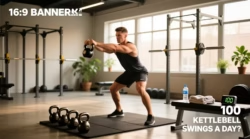
✅ Doing 100 kettlebell swings a day can support fat loss and improve muscular endurance, especially when combined with a balanced diet and consistent lifestyle habits 1. This high-intensity movement elevates heart rate, burns calories during and after exercise due to excess post-exercise oxygen consumption (EPOC), and strengthens the posterior chain—glutes, hamstrings, and lower back 2. However, results depend heavily on technique, kettlebell weight, and overall energy balance. For beginners, starting with proper form using a moderate weight (8–16 kg) is essential to avoid injury and maximize benefits 3. To sustain progress, vary intensity or increase load over time to prevent plateaus.

About 100 Kettlebell Swings a Day
The “100 kettlebell swings a day” challenge has become a popular fitness trend, often promoted as a simple, time-efficient way to burn fat and boost conditioning 🏋️♀️. It involves performing one hundred repetitions of the kettlebell swing exercise daily, typically split into sets (e.g., 5 sets of 20). The kettlebell swing itself is a dynamic hip-hinge movement that uses explosive power from the hips to propel the weight forward, engaging major muscle groups in the lower body and core.
This routine fits well into busy lifestyles because it requires minimal equipment and can be completed in under 15 minutes. While not originally designed as a standalone fat-loss program, its combination of cardiovascular demand and resistance training makes it appealing for those seeking dual-benefit workouts. It’s commonly used by individuals aiming to improve general fitness, increase work capacity, or add structured movement to their daily routine.
Why 100 Kettlebell Swings Is Gaining Popularity
⚡ The appeal of the 100 swings challenge lies in its simplicity and perceived effectiveness. In an era where time-efficient workouts like HIIT (high-intensity interval training) are favored, this routine offers a no-frills approach to daily physical activity. Social media has amplified its visibility, with influencers and fitness enthusiasts sharing transformation stories and daily check-ins.
People are drawn to clear, measurable goals—completing 100 reps provides a sense of accomplishment. Additionally, kettlebell swings deliver noticeable physical feedback: increased heart rate, sweating, and muscle engagement—which reinforce the feeling of a productive workout. Unlike complex gym routines, this challenge requires only one piece of equipment and basic space, making it accessible for home exercisers.
It also aligns with growing interest in functional fitness—training that improves real-world movement patterns. Since the hip hinge mimics everyday motions like lifting objects safely, users appreciate both aesthetic and practical benefits.
Approaches and Differences
Different ways to structure the 100 swings challenge yield varied outcomes depending on goals. Below are common approaches:
- ⚙️ High-Volume, Light Weight: Using a lighter kettlebell (e.g., 8–12 kg for women, 12–16 kg for men) focuses more on cardiovascular endurance and calorie burn. Ideal for beginners or those prioritizing fat loss.
- 💪 Moderate Weight, Split Sets: Performing 5–10 sets of 10–20 reps with moderate rest allows better form maintenance and builds muscular endurance. Supports both cardio and strength adaptation.
- 🔥 Heavy Weight, Low Reps per Set: Using a heavier kettlebell (close to max single-rep capacity) in smaller sets (e.g., 5 sets of 10) emphasizes power and posterior chain strength. Requires longer rest and advanced technique.
- ⏱️ EMOM Format (Every Minute on the Minute): Doing 20 swings at the start of each minute for 5 minutes, repeated twice. Enhances pacing and work capacity.
Each method affects energy systems differently. Lighter weights with short rest emphasize aerobic contribution, while heavier loads tap into anaerobic pathways and promote greater metabolic stress.
Key Features and Specifications to Evaluate
To assess whether this routine suits your needs, consider these measurable factors:
- 📊 Repetition Volume: 100 total reps is high volume; evaluate if your current fitness level supports sustained effort without compromising form.
- ⚖️ Kettlebell Weight: Should allow completion of all reps with good technique. A weight that causes early fatigue may lead to compensatory movements.
- 🫁 Breathing and Rhythm: Proper breathing (sharp exhale on hip snap) ensures oxygen delivery and core stability throughout the set.
- 📈 Progression Plan: Without increasing difficulty over time, gains will plateau. Track performance weekly to adjust weight or reduce rest intervals.
- 📉 Recovery Needs: High daily volume may impair recovery if not balanced with sleep and nutrition, especially for active individuals.
Pros and Cons
✨ Pros: Time-efficient, improves cardiovascular fitness, builds posterior chain endurance, enhances hip power, supports calorie deficit for fat loss, requires minimal space and equipment.
❗ Cons: Risk of poor form leading to strain, limited upper body engagement, potential overuse injury if done daily without variation, not sufficient alone for comprehensive strength or hypertrophy goals.
This challenge works best as part of a broader fitness strategy rather than a standalone solution. It’s particularly effective for sedentary individuals restarting activity or intermediate exercisers adding supplemental work.
How to Choose Your 100 Swings Approach
Follow this step-by-step guide to implement the routine safely and effectively:
- 📌 Assess Your Current Fitness Level: If new to kettlebells, spend 1–2 weeks mastering the hip hinge and basic swing with light weight before attempting 100 reps.
- 📋 Select Appropriate Weight: Men often start with 12–16 kg, women with 8–12 kg. The weight should feel challenging by the last few reps but not cause form breakdown 3.
- 🔄 Split Reps Into Sets: Start with 5 sets of 20, resting 30–60 seconds between sets. Adjust based on fatigue and recovery.
- 📹 Record or Mirror Check Form: Ensure you’re hinging at the hips, not squatting, and driving force through glute contraction—not arm pulling.
- 📆 Schedule Rest Days or Variation: Consider doing the challenge 5 days/week instead of daily to allow tissue recovery, or alternate with other movements.
- 📈 Plan Progressive Overload: After 2–3 weeks, increase weight, decrease rest, or add rounds to keep improving.
- 🛑 Avoid These Mistakes: Don’t sacrifice form for speed, ignore pain (especially in lower back), skip warm-up, or treat this as a replacement for full-body training.
Insights & Cost Analysis
🛒 A standard cast-iron kettlebell ranges from $30–$80 depending on brand and weight. Competition-grade kettlebells with uniform handles cost more ($100+), but aren’t necessary for beginners. Buying one quality kettlebell can last years with proper care, making it a cost-effective investment compared to gym memberships.
Time cost is low—most people complete 100 swings in 10–15 minutes. Compared to longer cardio sessions, this offers high efficiency per minute. However, long-term adherence depends on integration into lifestyle and enjoyment of the movement.
Better Solutions & Competitor Analysis
While the 100 swings challenge is effective for specific goals, other routines may offer broader benefits. The table below compares alternatives:
| Workout Type | Primary Advantage | Potential Limitation | Budget Estimate |
|---|---|---|---|
| 100 Kettlebell Swings | Time-efficient cardio + posterior chain endurance | Limited muscle group activation, risk of overuse | $30–$80 |
| Full-Body Kettlebell Routine | Balanced strength, mobility, and conditioning | Requires learning multiple exercises | $30–$80 |
| HIIT Cycling or Running | Superior cardiovascular output | Less strength-building benefit | $0–$300 (equipment optional) |
| Resistance Training (Free Weights) | Greater hypertrophy and full-body development | Needs more equipment and space | $100+ |
Customer Feedback Synthesis
Based on aggregated user experiences from fitness forums and publications, common sentiments include:
- ✅ Frequent Praise: “I gained energy,” “My posture improved,” “Easy to stick with,” “Noticeable glute definition,” “Great morning energizer.”
- ❗ Common Complaints: “Lower back hurt after a week,” “Got bored quickly,” “Didn’t lose weight without diet changes,” “Hard to maintain form on later sets.”
Success stories often mention combining the challenge with dietary awareness, while frustrations usually stem from unrealistic expectations or technical errors.
Maintenance, Safety & Legal Considerations
🩺 Safety is critical when performing repetitive ballistic movements. Always prioritize form over volume. Warm up with dynamic stretches focusing on hips and hamstrings. Use a flat, non-slip surface and wear supportive footwear or go barefoot.
Inspect your kettlebell regularly for cracks or handle damage. Store it in a dry place to prevent rust. Though no legal regulations govern personal use, public spaces (like parks) may have rules about equipment usage—verify local guidelines if exercising outdoors.
If discomfort arises—particularly in the lower back or knees—pause the routine and reassess technique. Consulting a certified fitness professional for form checks is a recommended preventive measure.
Conclusion
If you need a quick, effective way to boost daily activity, improve posterior chain endurance, and support fat loss efforts, the 100 kettlebell swings challenge can be a valuable tool ✅. It’s especially suitable for beginners transitioning into regular exercise or intermediate users seeking supplemental conditioning. However, lasting results require attention to technique, progressive overload, and alignment with overall lifestyle habits like nutrition and recovery. For optimal health, pair this routine with varied physical activities and sustainable habits rather than relying on it exclusively.
FAQs
- Can 100 kettlebell swings a day help lose belly fat? While spot reduction isn’t possible, the exercise contributes to overall fat loss when combined with a calorie deficit and healthy lifestyle.
- What weight kettlebell should I use for 100 swings? Beginners typically use 8–12 kg (women) or 12–16 kg (men); choose a weight allowing good form across all reps.
- Is it safe to do kettlebell swings every day? Yes, if form is correct and recovery is managed, though taking 1–2 rest days weekly may reduce overuse risk.
- Do kettlebell swings build muscle? They primarily build muscular endurance and power, not significant size, though glutes and hamstrings may become more defined.
- How long until I see results from 100 swings a day? Some notice improved stamina in 2–3 weeks; visible changes in body composition may take 4–8 weeks with consistent effort.