
Pay attention in offices, kitchens, and group chats, and the same lines surface again and again. They sound casual, almost harmless, yet together they sketch a life that has slowly dulled around the edges. These everyday remarks often pass unnoticed, but they can quietly reflect a deeper emotional state that words never fully explain.
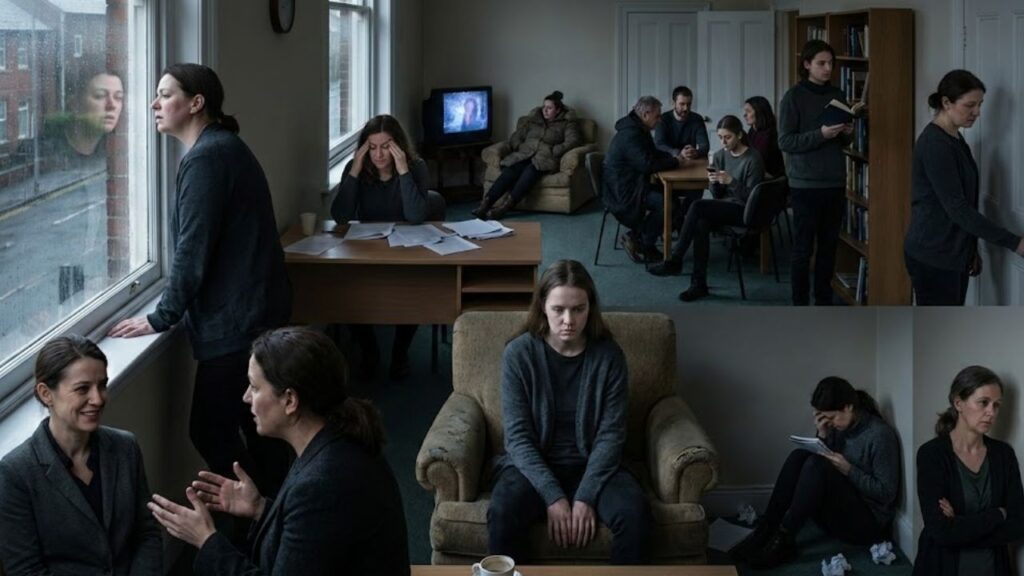
The subtle language of emotional distress
Deep emotional pain rarely arrives with drama. There is no soundtrack or spotlight, often not even tears. Instead, it settles into posture, silence, and especially the way people talk about ordinary life. Psychologists describe this as emotional leakage, where feelings escape through small, unguarded comments. Jokes about being “dead inside” or brushing off success as “just luck” may not sound alarming, yet they often point to something unresolved beneath the surface.
Hearing these phrases occasionally does not mean someone is depressed. Everyone has bad days or difficult weeks. Concern grows when certain sentences become a constant refrain across conversations about work, relationships, health, and the future.

“What’s the point?”
Asked once, this can be practical. Repeated often, it sits at the core of despair. It appears when someone no longer believes effort matters or that their actions can change anything. Work feels meaningless, healthy habits feel futile, even simple chores trigger the same defeated thought. Over time, motivation fades, not from laziness, but from feeling emotionally drained. Research into meaning consistently links this outlook to higher distress and a world that feels flat and colourless.

“That’s just how life is”
This phrase can sound wise or philosophical, yet it often masks resignation. It is common among people stuck in unhappy relationships, exhausting jobs, or ongoing financial pressure. Beneath the surface lies the belief that suffering is inevitable and unchangeable. Once this settles in, new possibilities are dismissed before they are explored, and the sentence quietly becomes the lock on the door.
- This overlooked habit during grocery shopping quietly increases your monthly budget
- The 6 things you feel when you’re letting your life pass you by, according to psychologists
- Talking to yourself when you’re alone: psychology explains why it’s often a sign of exceptional abilities
- Haircuts after 40: here are the 5 “least flattering” bob cuts, according to this professional hairdresser
- How bananas can stay fresh and yellow for up to two weeks when stored with one simple household item
- After 70, not daily walks or weekly gym sessions: this movement pattern can significantly improve your healthspan
- These zodiac signs are destined for major prosperity in 2026 according to astrological forecasts
- Artificial islands fail when sediment shifts faster than foundations adapt
“I’m just tired, that’s all”
Fatigue is an easy explanation that rarely gets questioned. Yet constant tiredness often stands in for sadness, grief, or anxiety that feels too heavy to name. When this becomes the default response, it may signal emotional overload rather than lack of sleep. Gentle follow-up questions sometimes open space for honesty, even if no advice is wanted.
“I knew it wouldn’t work”
Often framed as realism, this phrase hides a protective strategy. Predicting failure softens disappointment, but it also undermines any chance of success. Psychologists call this self-handicapping. Effort becomes half-hearted, and outcomes are used as proof that pessimism was justified. Over time, setbacks reinforce hopelessness, while small wins are dismissed as pure luck.
“Must be nice”
Spoken lightly, this line can carry a sharp edge. It often signals envy, exclusion, or a quiet sense of inferiority. Good news becomes painful, reinforcing the belief that positive outcomes belong to others. If this mindset takes hold, it can slowly erode relationships and deepen emotional distance.
“I don’t care anymore”
This phrase usually appears at the far end of exhaustion. It comes from people who have cared deeply and been disappointed repeatedly. Rather than indifference, it reflects emotional depletion. Studies on burnout describe this as emotional detachment, which looks cold on the surface but is rooted in long-standing effort and strain.

“Nothing ever changes”
More than doubt, this sentence shuts down possibility. It discourages asking for help, trying again, or having difficult conversations. Linked to learned helplessness, it grows when repeated setbacks convince someone their actions no longer matter, even when they do.
“I’m fine”
Socially convenient, this phrase keeps interactions smooth while discouraging deeper questions. Used constantly, it can block support and leave someone feeling unseen. A sincere follow-up can sometimes invite honesty, signaling a willingness to listen if the mask slips.
“Whatever”
Short and loaded, this word often marks emotional withdrawal. It appears when someone feels unheard or powerless. Though it sounds indifferent, the underlying message is often “my voice doesn’t matter”, prompting retreat rather than engagement.
When concern turns into gentle action
Not every gloomy remark is a warning sign, and no one wants to police language. Still, repeated patterns can justify a check-in. Notice whether this is a temporary phase or a long-running theme. Watch for changes in sleep, appetite, or interests. Context matters, especially after loss or major life changes. Offering specific support, rather than vague availability, can make connection easier.
Understanding the mindset behind the words
From meaning to motivation
Many of these phrases sit between lost meaning and hopelessness. Statements like “What’s the point?” or “Nothing ever changes” reflect difficulty linking daily effort to a future that feels worthwhile. When this belief takes hold, even practical solutions can seem pointless, as if the story is already written.

A brief scenario
Imagine a colleague, Sam. Over six months, certain phrases begin to repeat. After missing a promotion, Sam says “I knew it wouldn’t work”, reflecting fear of hoping and fear of failure. When others discuss holidays, “Must be nice” hints at feeling left behind. Asked how things are going, “I’m just tired” suggests emotional strain. In conversations about the future, “What’s the point?” reveals fading motivation and a shrinking sense of purpose.
 If you want to avoid loneliness at 70 and beyond, it’s time to say goodbye to these 9 habits
